Living on the H Street Corridor

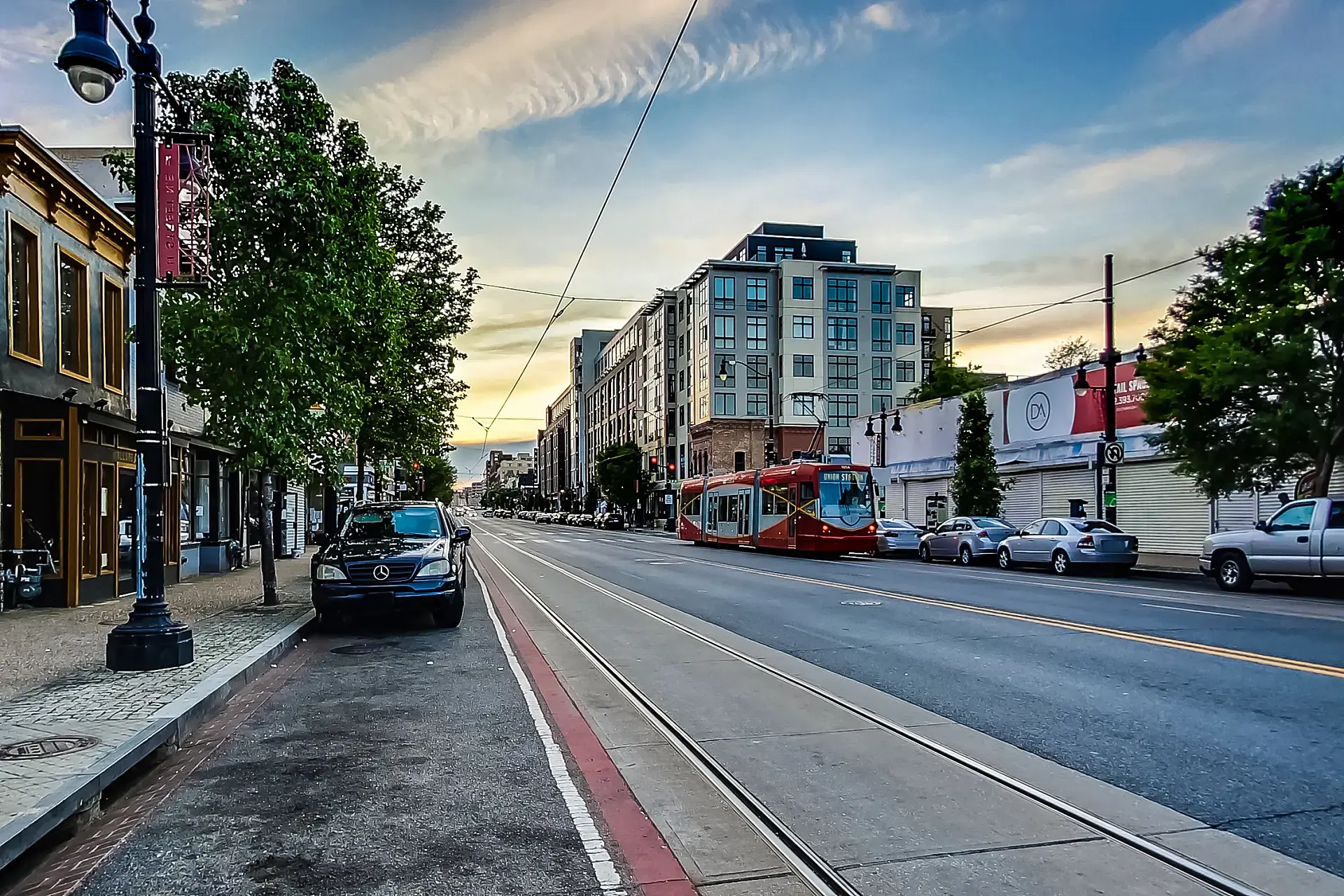
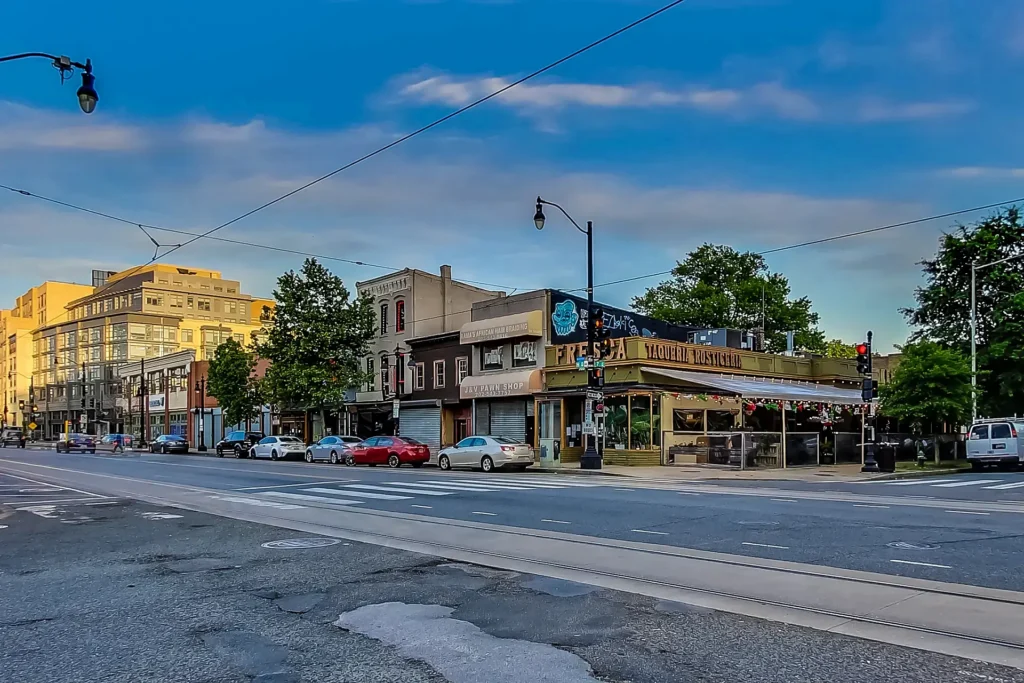
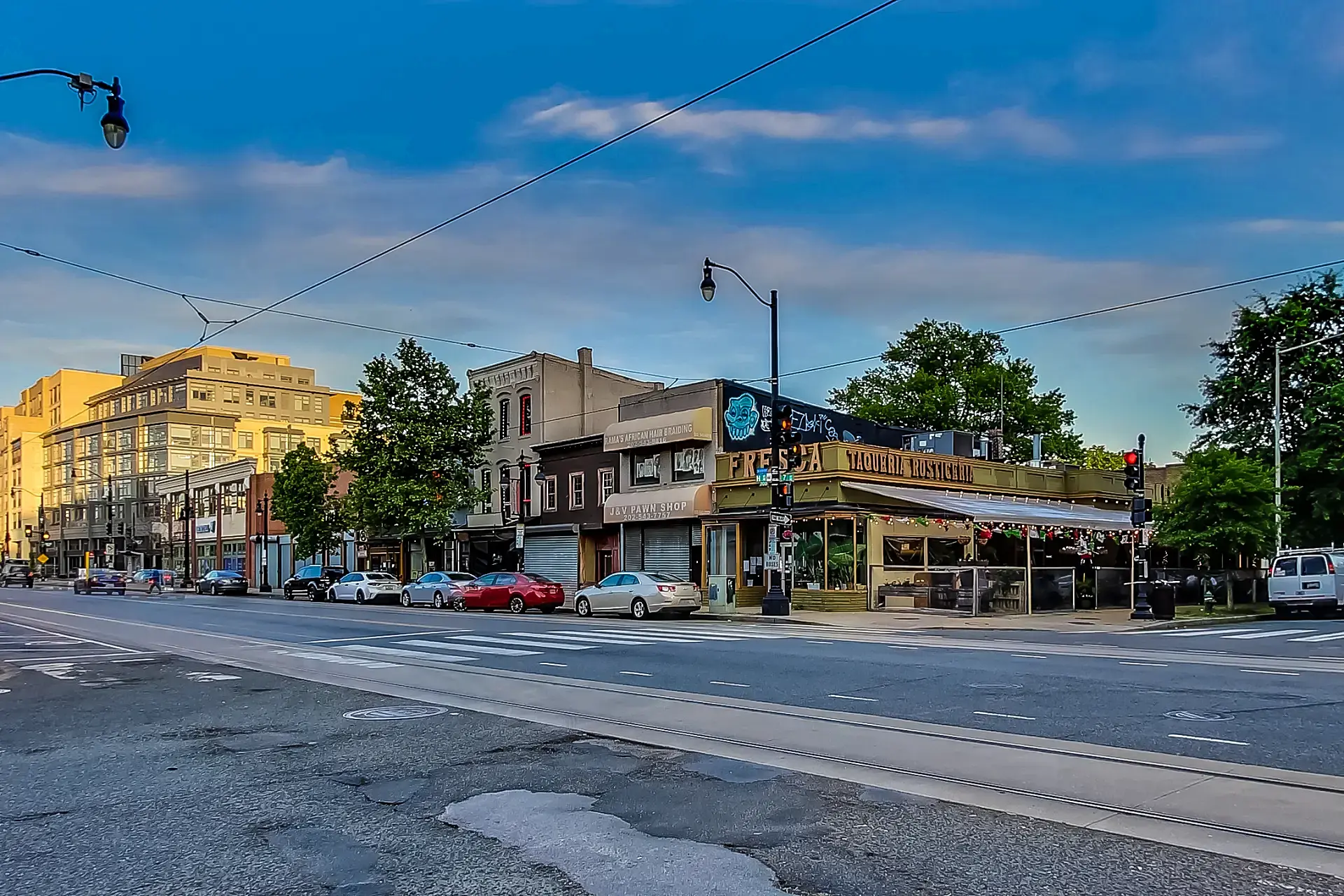
Early-1900s brick rowhouses and newer condominiums along H Street NE, from Union Station to the Starburst intersection, with one of DC’s liveliest restaurant strips and Capitol Hill a few blocks south.

H Street Corridor Market Snapshot

A high-level look at current pricing, demand, and sales activity in the H Street Corridor real estate market.
$811,250

Median Sales Price

$515

Median Price Per Sq Ft

21

Median Days On Market

106

Annual Closed Sales

-4.3%

YoY Median Price Change

The H Street Corridor is primarily a rowhouse market. The snapshot covers every closed sale inside the corridor boundary over the trailing twelve months through September 2026 — 81 rowhouse and semi-detached sales, 24 condominiums, and 1 detached house. Price per square foot uses interior living area.
Across all home types the median sale was $811,250 at about $515 per square foot, with a median of about 21 days on market and sales averaging 96% of original list price. The 4.3% dip tracks rowhouses, where the median eased from $890,000 to $866,000 and fewer homes sold over asking. Condo prices rose, but on only 24 sales, so that segment is better read building by building.

Market data reflects recent 12-month activity. Individual buildings may vary.

What Would Your Home Sell For Here?

Get my personal read on your home’s value, built from recent sales nearby and the homes you’d compete with, not an algorithm. I reply within one business day. Free, and no obligation to list.

For Sale

Homes for Sale in H Street Corridor

Every active H Street Corridor listing, pulled live from Bright MLS.

Don’t see the right home?

We track private and off-market opportunities before they reach the MLS.

Recently Sold

Recently Sold in H Street Corridor

Closed sales from the past 12 months — the comps that set today’s pricing.

Wondering what your home could sell for?

Get a pricing strategy built on these comps and current H Street Corridor demand.

Living on the H Street Corridor

An overview of daily life on the H Street Corridor, what draws residents, and what sets it apart.
The H Street Corridor runs about a mile and a half along H Street NE, from just behind Union Station east to the Starburst intersection where H Street meets Florida Avenue, Bladensburg Road, and Benning Road. The name covers both the commercial street itself and the rowhouse blocks on either side, which blend into Capitol Hill to the south and toward Trinidad and Gallaudet University to the north. Most of the housing is brick rowhouses built between the 1890s and the 1920s, on blocks such as F, G, and I Streets and the numbered streets from 4th to 15th. Many have been renovated, and some have been converted into two-unit condominiums. Newer condo and mixed-use buildings line H Street itself, especially between 3rd and 8th Streets. Daily life centers on the strip. Giant at 3rd and H and Whole Foods at 6th and H cover groceries, and restaurants, bars, and music venues run the length of the street, with the 1938 Atlas Theatre, restored as the Atlas Performing Arts Center, as its cultural anchor. The quieter residential blocks are a minute’s walk away in either direction. Union Station on the Red Line, Amtrak, MARC, and VRE sits at the west end of the corridor, and NoMa-Gallaudet station is a short walk northwest. The D20 and D2X buses run along H Street and Benning Road. The DC Streetcar, which ran on H Street from 2016, ended service in March 2026. I enjoy showing H Street because buyers get Capitol Hill-style rowhouses at a range of price points, with restaurants and Union Station within walking distance.

Key Highlights:

  • Housing character — 1890s–1920s brick rowhouses, some split into condo flats, plus newer condos along H Street
  • Green space — Capitol Hill's squares to the south, and the National Arboretum a short drive northeast
  • Daily essentials — Giant at 3rd and H, Whole Foods at 6th and H, and restaurants along the whole corridor
  • Transit — Union Station (Red Line, Amtrak, MARC, VRE) at the west end; D20 and D2X buses on H Street
  • Schools — DCPS boundaries vary by block; confirm any address with the DCPS school finder
  • Market character — about 100 sales a year, three-quarters rowhouses

H Street Corridor Real Estate FAQs

Insight into the nuances of buying and selling in one of the country’s most complex urban markets.

It suits buyers who want rowhouse living within walking distance of restaurants, grocery stores, and Union Station. Blocks right on H Street are busy, especially at night; side streets a block or two away are much calmer.
It runs along H Street NE in Northeast DC, from Union Station east to the Starburst intersection at 15th Street, Florida Avenue, and Bladensburg Road, with Capitol Hill just south and NoMa to the west.
Not directly. Union Station (Red Line) is at the west end of the corridor and NoMa-Gallaudet is nearby. The D20 and D2X buses run along H Street and Benning Road.
No. The DC Streetcar ended service on March 31, 2026. Bus service on H Street and Benning Road, including the D20, now covers the corridor.
Mostly brick rowhouses from the 1890s to the 1920s, some converted into two-unit condominiums, plus newer condo buildings on H Street. Of 106 sales in the past year, 81 were rowhouses or semi-detached homes and 24 were condos.
Over the twelve months through September 2026 the median sale was $811,250 at about $515 per square foot. Rowhouses had a median of $866,000 and condominiums $513,500.
Restaurants, bars, and music venues line the corridor, the Atlas Performing Arts Center hosts theater and concerts, and Union Station and Capitol Hill’s parks and Eastern Market are a short walk or ride away.
The median home sold in about 21 days, and rowhouses in about 18 days. About a third of sales closed at or above their original list price.

Location & Neighborhood

Along H Street NE from Union Station to the Starburst intersection, between Capitol Hill and Trinidad.
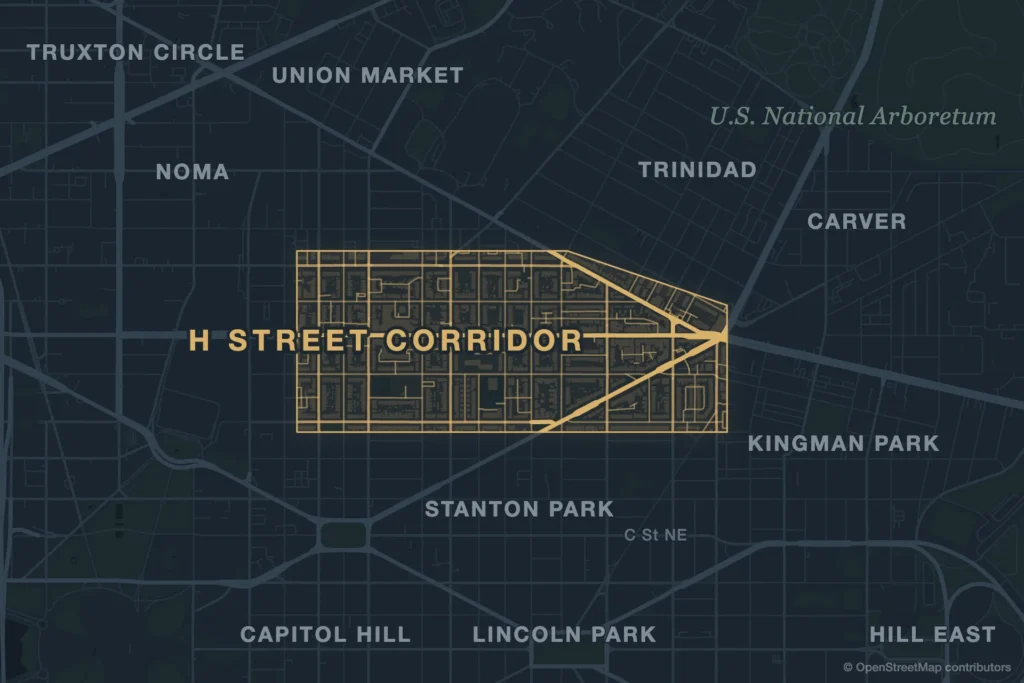
The H Street Corridor is generally defined as the blocks along H Street NE from 3rd Street east to the Starburst intersection at 15th Street, extending south to about F Street and north to about K Street and Florida Avenue. H Street is the commercial spine; F, G, and I Streets, Wylie and Orren Streets, and the numbered streets from 4th to 15th hold the rowhouse blocks.

A Main Street With Side Streets

The corridor works as a neighborhood main street. Grocery, pharmacy, fitness, and dozens of restaurants sit along H Street itself, and most homes are only a block or two away. Union Station is a walk or short bus ride from the west end, with Red Line Metro and regional rail. Capitol Hill’s parks, Eastern Market, and the Senate side of the Hill are a short trip south, and NoMa and Union Market are a few minutes northwest. The D20 and D2X buses run east–west along the corridor.

Neighboring Area:

  • Capitol Hill — south, below F Street
  • NoMa — west, across the rail yards
  • Near Northeast and Gallaudet University — north
  • Trinidad — northeast, beyond Florida Avenue
  • Kingman Park — east, past the Starburst

A Day In The Life - Snapshot

The quick details buyers ask about most.

Metro Access
No station on H Street itself. Union Station (Red Line) is at the west end and NoMa-Gallaudet is nearby; the D20 and D2X buses run along H Street and Benning Road.
Walkability
Groceries at 3rd and 6th Streets, restaurants along the whole corridor, and most homes within a block or two of H Street make daily errands easy on foot.
Typical Home Types
Brick rowhouses from the 1890s–1920s, many renovated or split into two-unit condos, plus newer condominium and mixed-use buildings on H Street.
Parking
Residential permit parking on most side streets. Many rowhouses have rear alley parking; newer buildings may offer garage spaces sold or leased separately.
Vibe
A busy, late-night restaurant and music strip on H Street itself, with typical Capitol Hill rowhouse blocks just off the main street.
Best For
Buyers who want a rowhouse or condo within walking distance of restaurants, groceries, and Union Station, and who like an active main street nearby.

In-Depth Market Analysis

H Street Corridor Market Insights

How pricing trends, absorption rates, and inventory levels are shaping buying and selling

Inventory & Absorption

About 100 homes sell along the corridor each year, three-quarters of them rowhouses, so there is steady choice. Rowhouses sold at a median of about 18 days over the past year, and about a third of all sales closed at or above list, down from the year before.

Pricing Dynamics

Rowhouses ranged from about $400,000 for homes needing work to $1.77 million for large renovated houses, with a median of $866,000 and about $515 per square foot. Condominiums ranged from about $184,000 to $1.24 million, with a median of $513,500.

Buyer Profile

Buyers here often compare the corridor with Capitol Hill blocks farther south and with NoMa condos to the west. Distance from the commercial strip, rear parking, basement rental units, and renovation quality drive most of the price differences between similar rowhouses.

Strategic Outlook

Expect a balanced market through 2026: renovated rowhouses on quieter blocks will still draw quick offers, while homes on or near H Street itself and those needing work give buyers more room to negotiate. Sellers should price to recent sales on their own block rather than corridor averages.

Market Position Overview:

Inventory Level: Balanced with selective competition

Negotiation Environment: Moderate flexibility

Typical Days on Market: 25-45 (well-priced units)

Rental Demand: Consistent due to transit proximity

Long- Term Outlook: Stable, walkability-driven value

H Street Corridor Housing & Architecture

Brick rowhouses from the late 1800s and early 1900s, a historic commercial main street, and a new layer of condominiums.
Early-1900s Rowhouses
The core housing type: two-story brick rowhouses from roughly 1900–1925 with front porches or bays, set on narrow lots with rear alleys, on blocks from 4th to 15th Streets.
Two-Unit Conversions
Many rowhouses have been split into an upper and lower condominium, typically with the lower unit opening onto a patio and the upper unit gaining roof access or a deck.
Rowhouses With Rental Units
Renovated houses with finished English basements set up as separate rental units are common, and that income potential accounts for much of the spread at the top of the market.
Condominiums on H Street
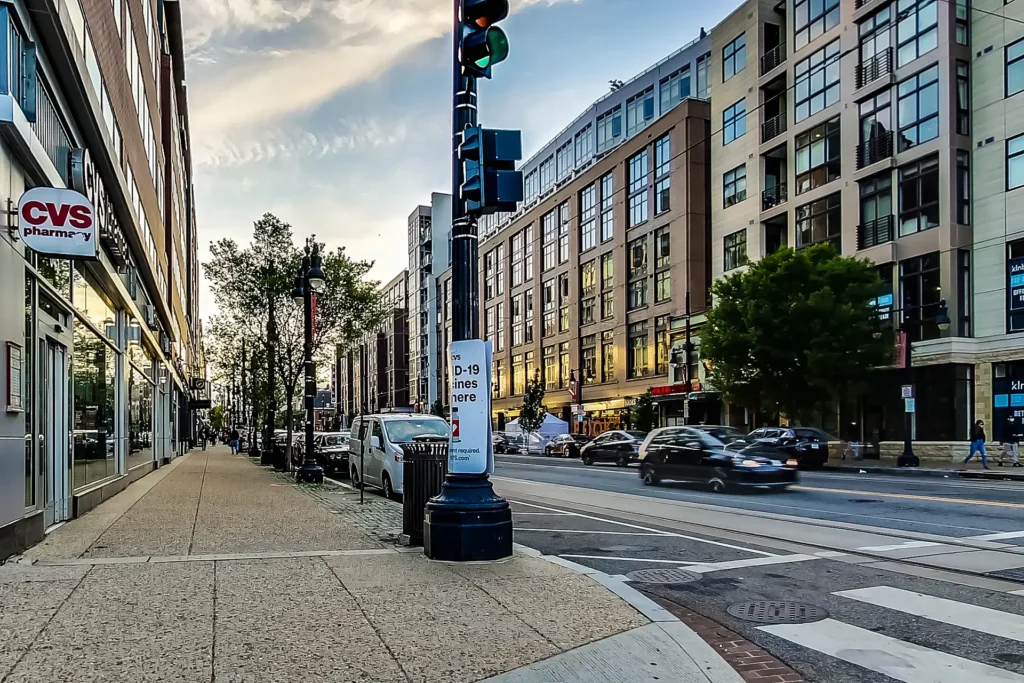
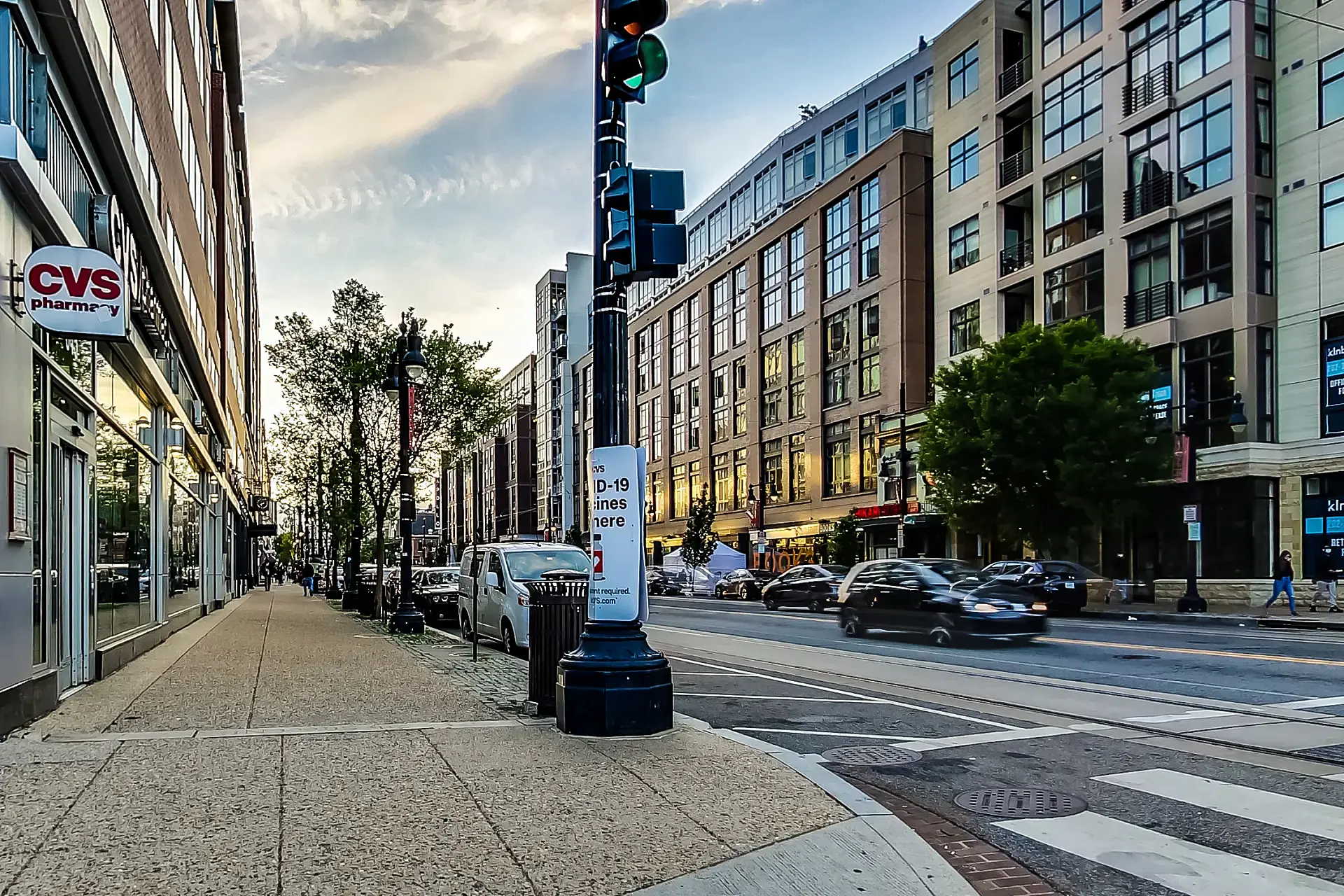
Mid-rise condo and mixed-use buildings from the 2000s onward sit on H Street itself, most with ground-floor retail, elevators, and some garage parking.
Historic Commercial Buildings
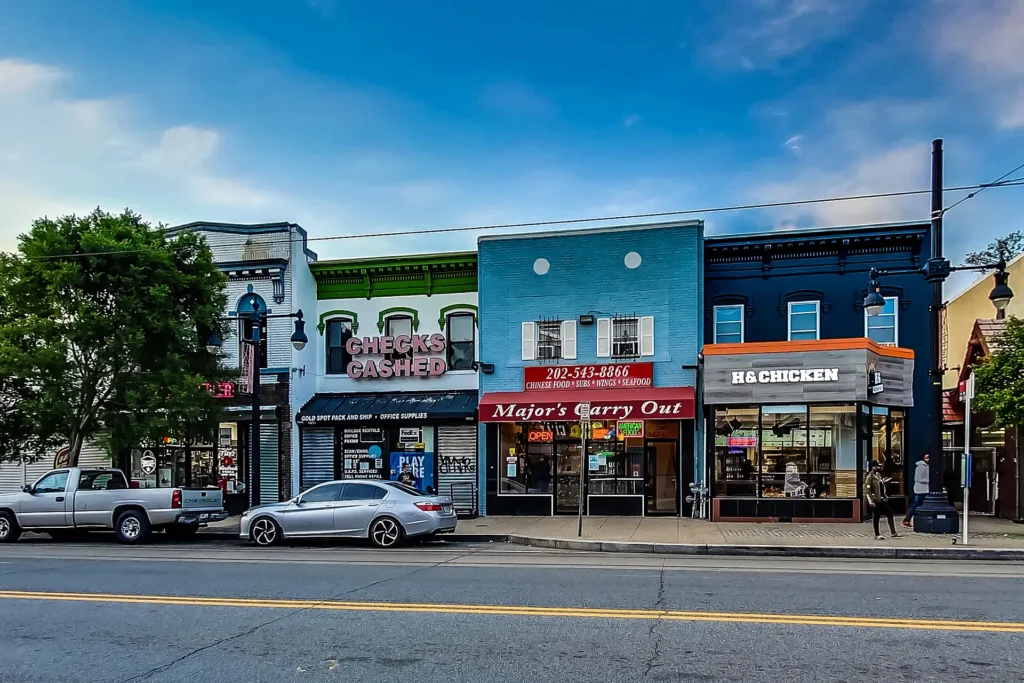
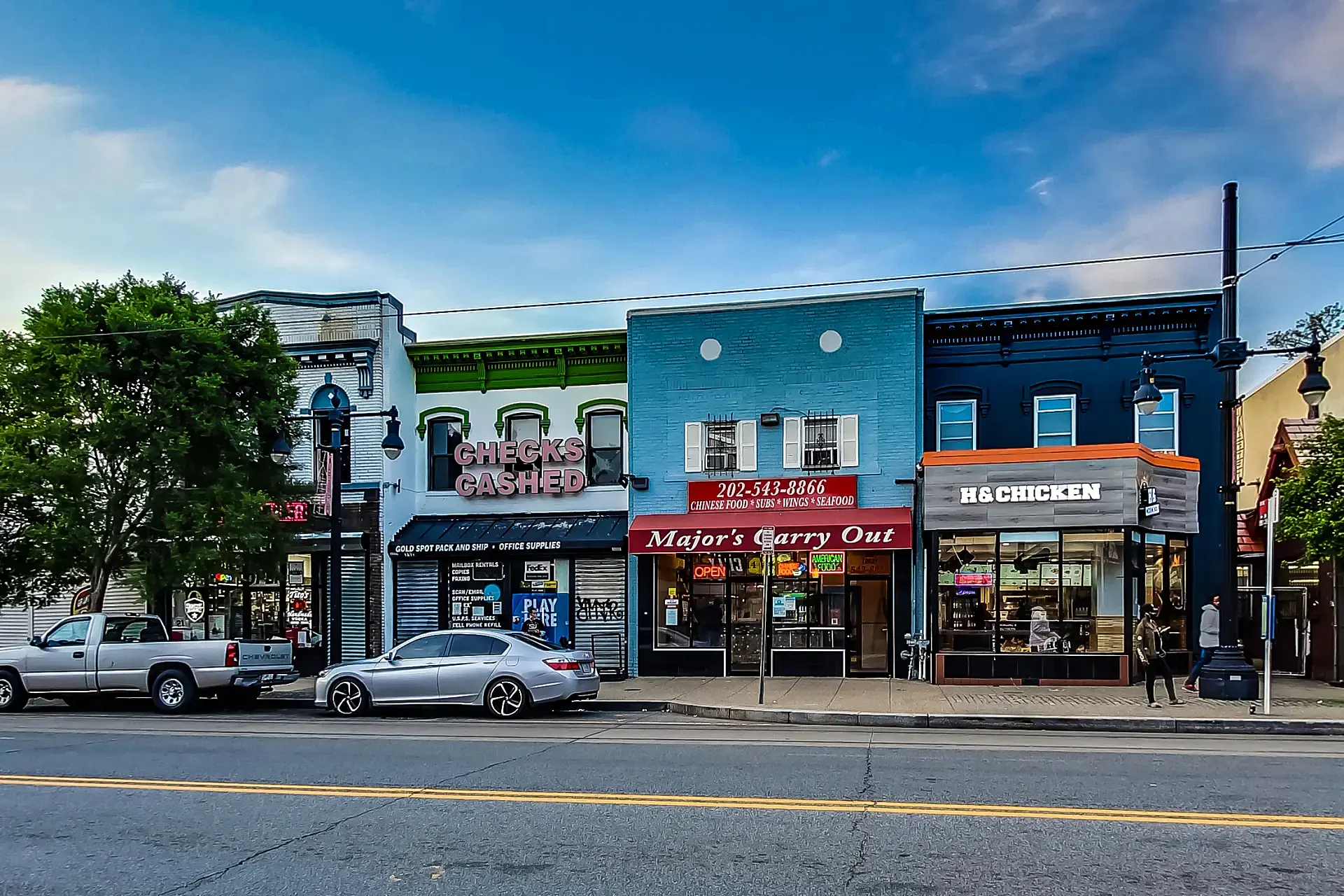
Two- and three-story storefronts from the early 1900s line much of H Street, many now restaurants and bars with apartments or offices above.
The Atlas Theatre
Built in 1938 as a movie house and reopened as the Atlas Performing Arts Center after a rebuild, its preserved marquee is the corridor’s best-known landmark.

Nearby neighborhoods

Close to H Street Corridor

Ready to Talk About Your Next Move?

We’ll listen first, then recommend a strategy that fits your goals and timing.