Living in Capitol Hill

DC’s largest historic district: Victorian brick rowhouses around Eastern Market and Lincoln Park, with Barracks Row dining, three Metro stations, and the Capitol and Library of Congress a short walk away.

Living in Capitol Hill

An overview of daily life, character, and what draws residents to the neighborhood.

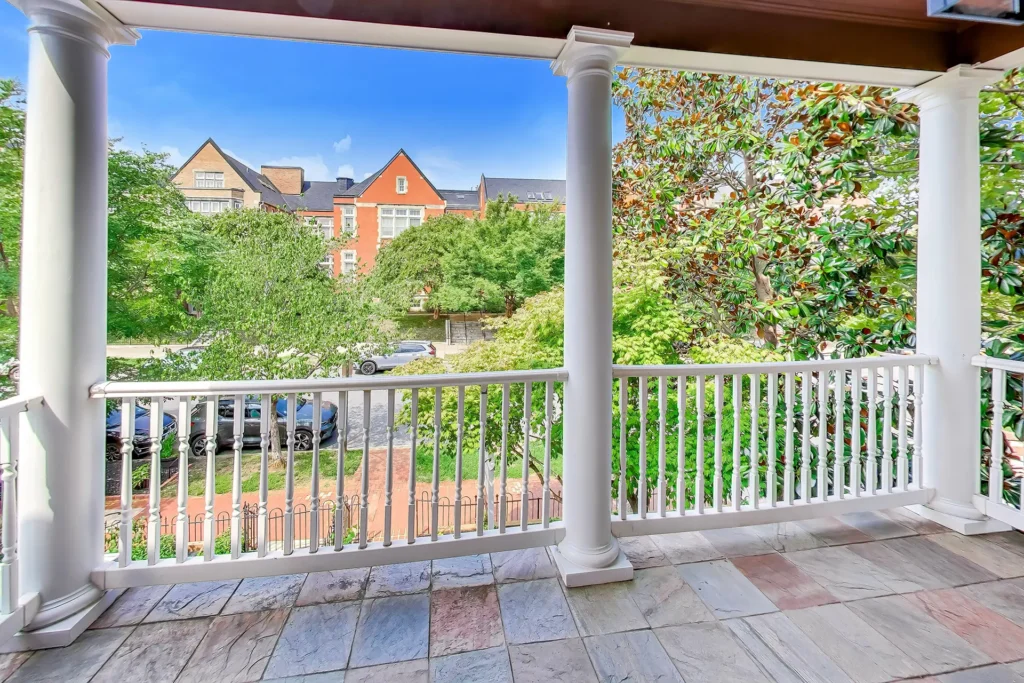
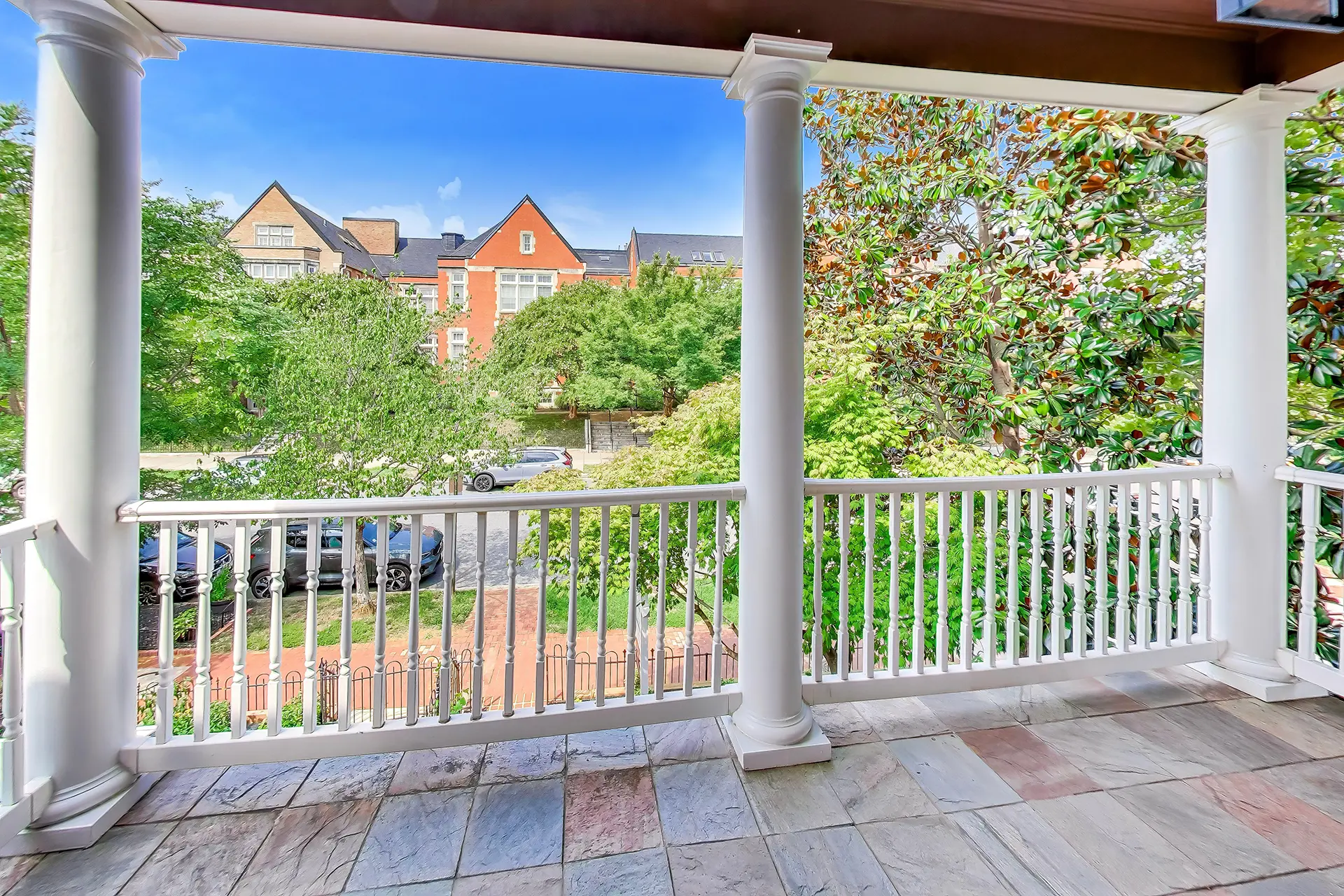
Capitol Hill is one of Washington’s largest historic neighborhoods, spreading east from the U.S. Capitol and the Library of Congress across tree-lined blocks of rowhouses, small parks, and neighborhood commercial streets. Much of it lies within the Capitol Hill Historic District.

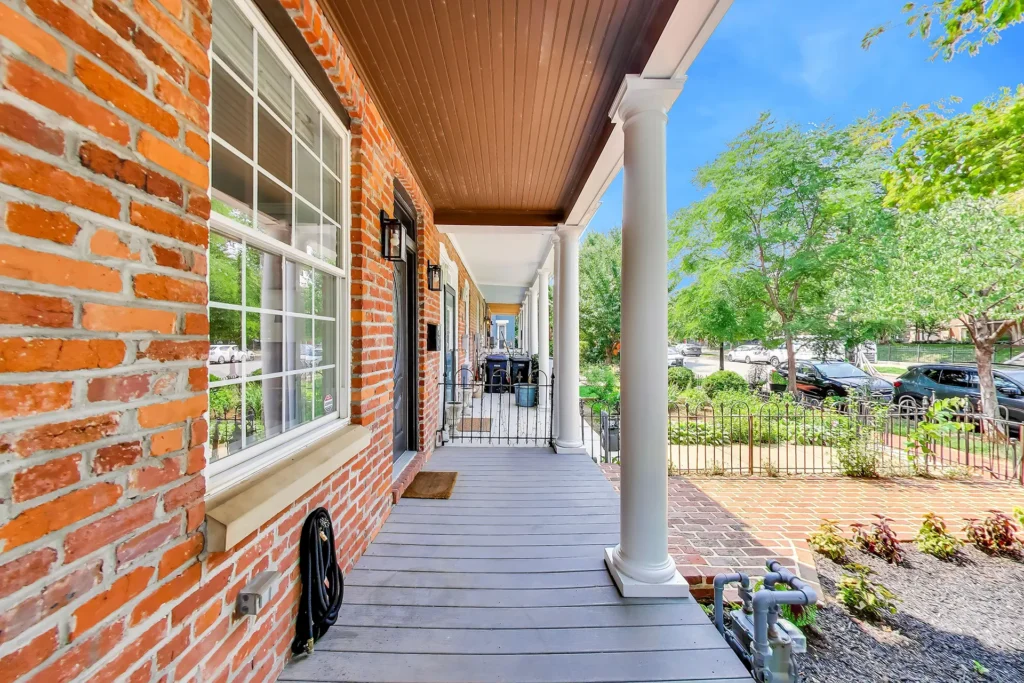
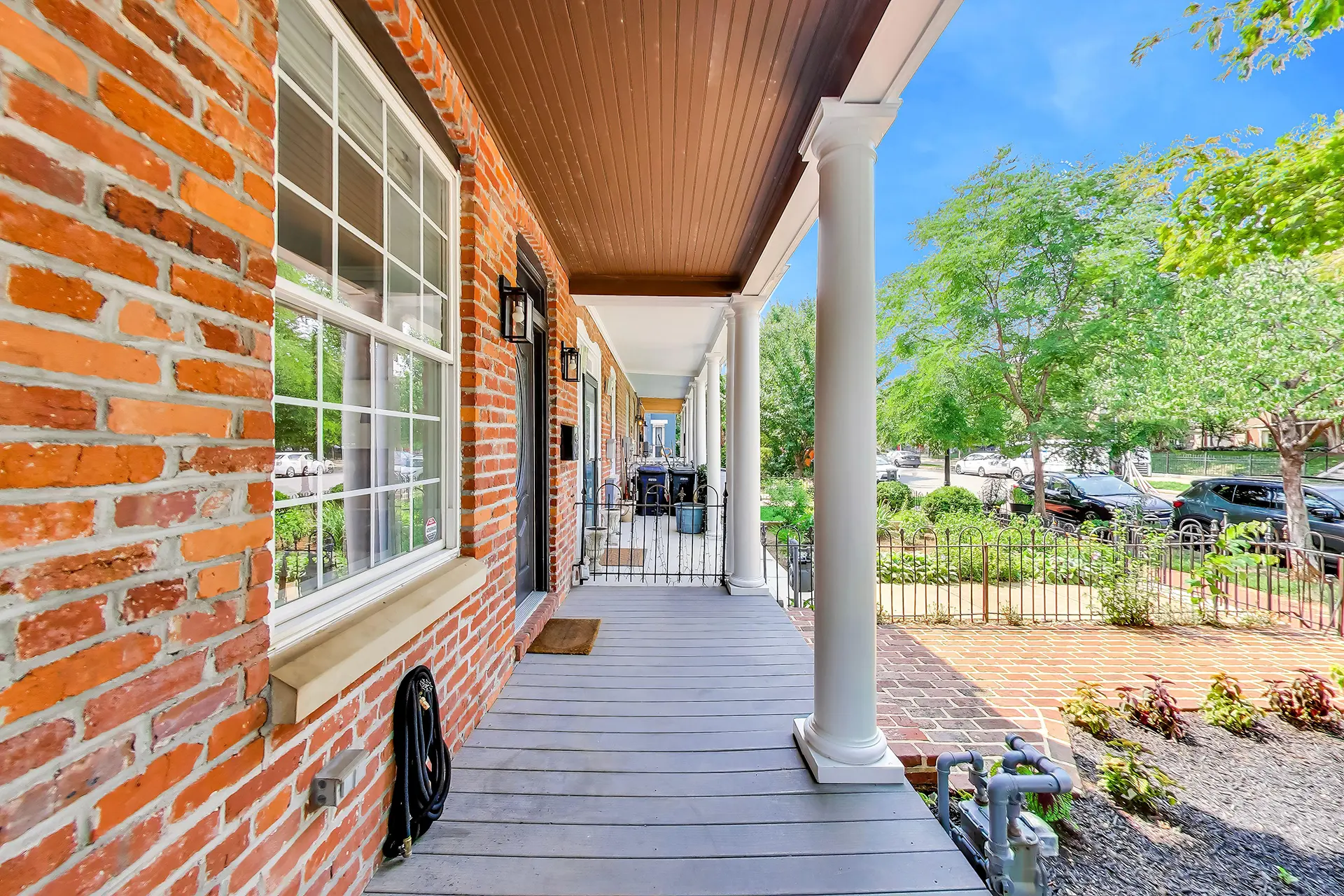
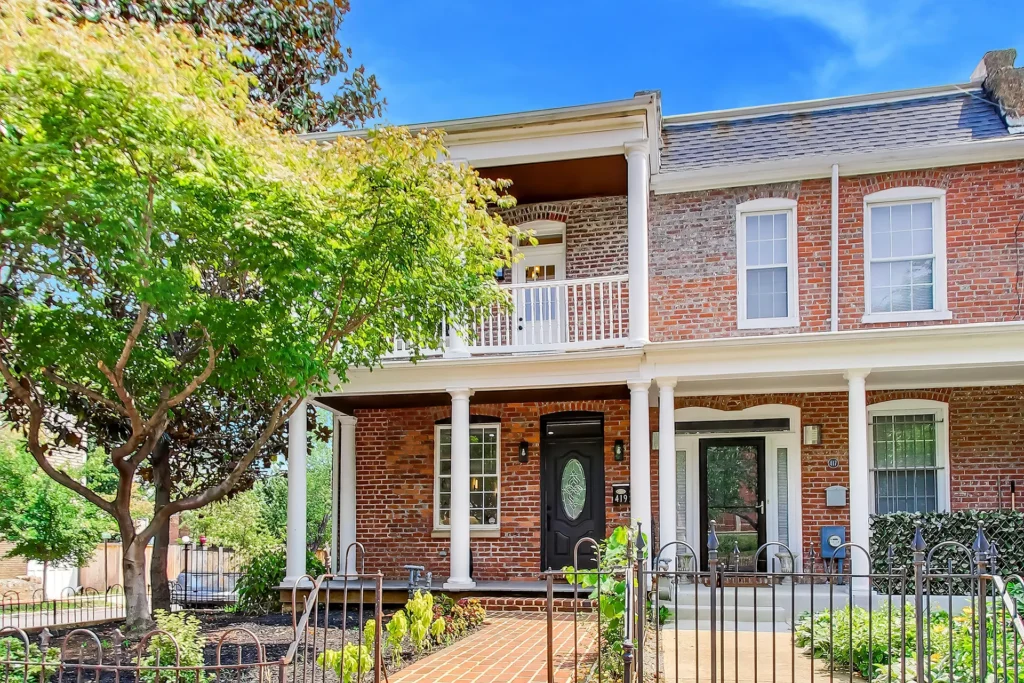
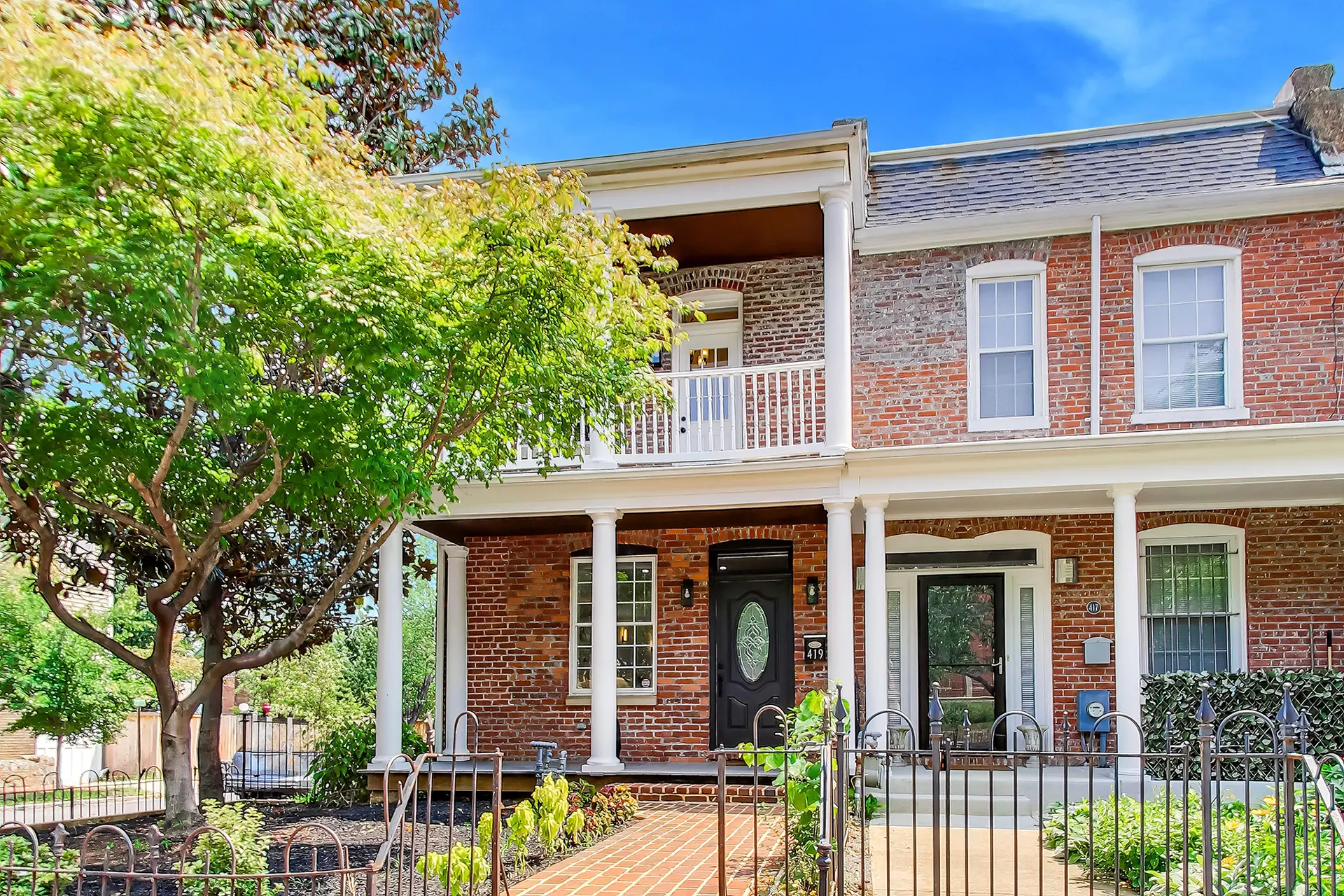
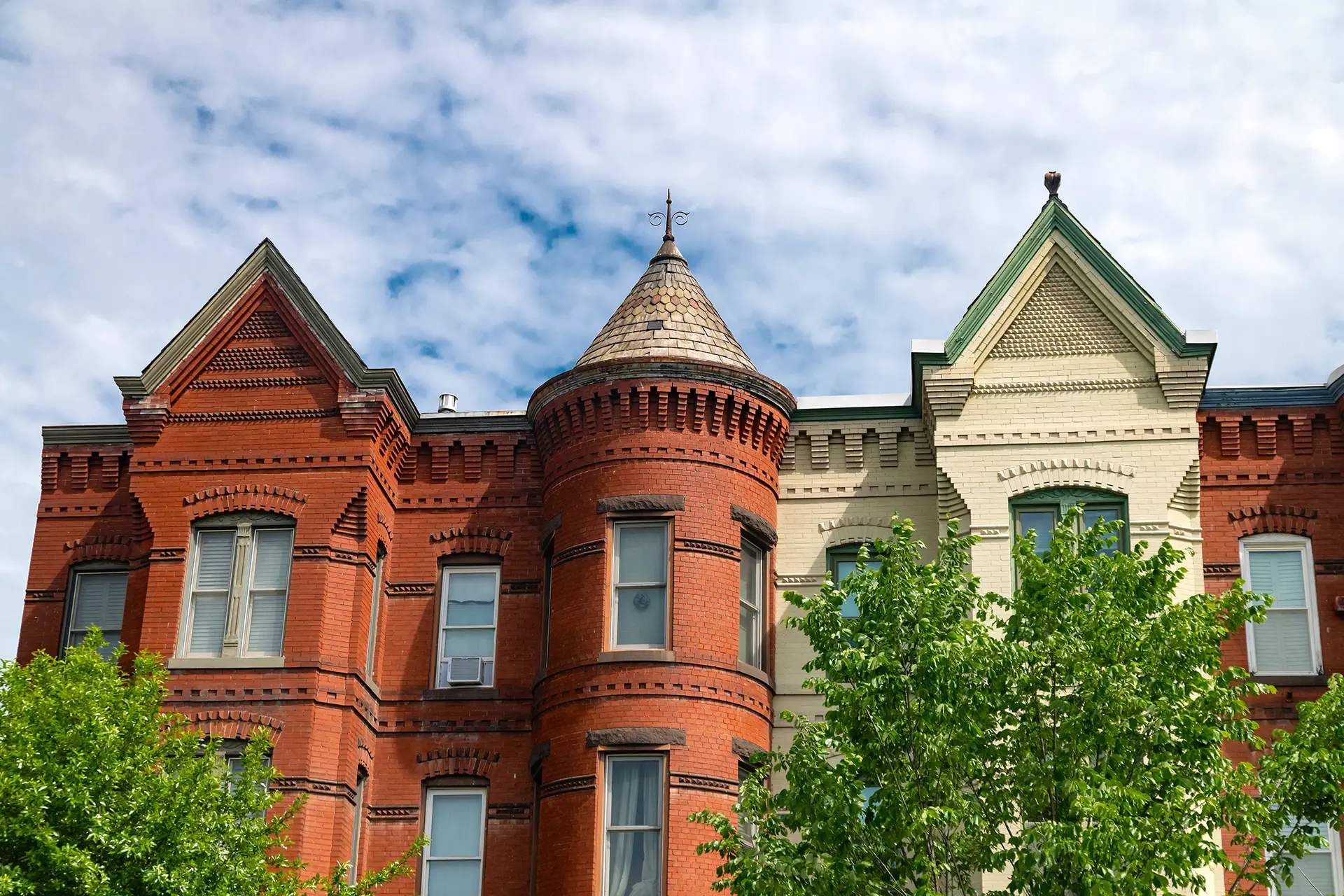
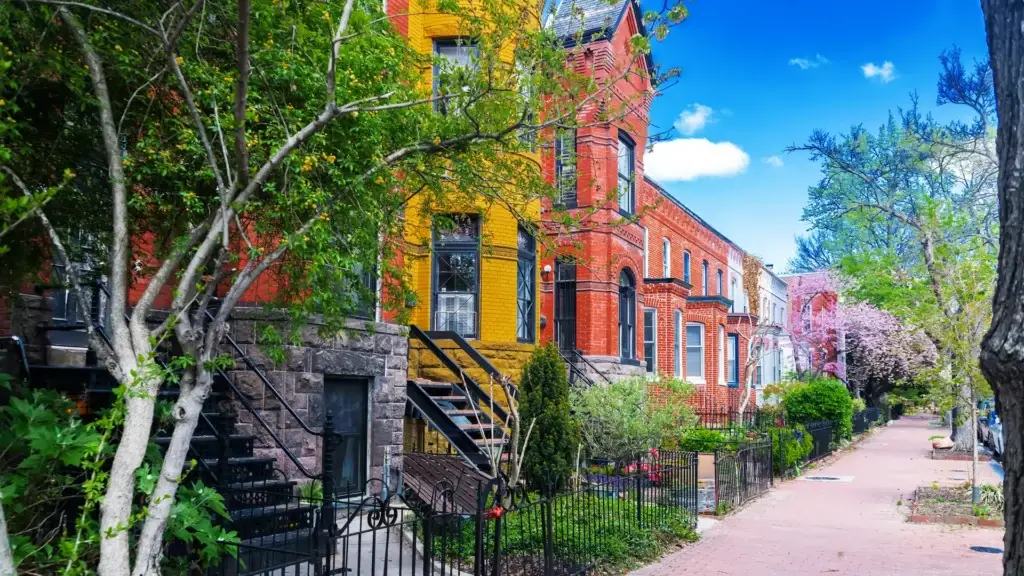
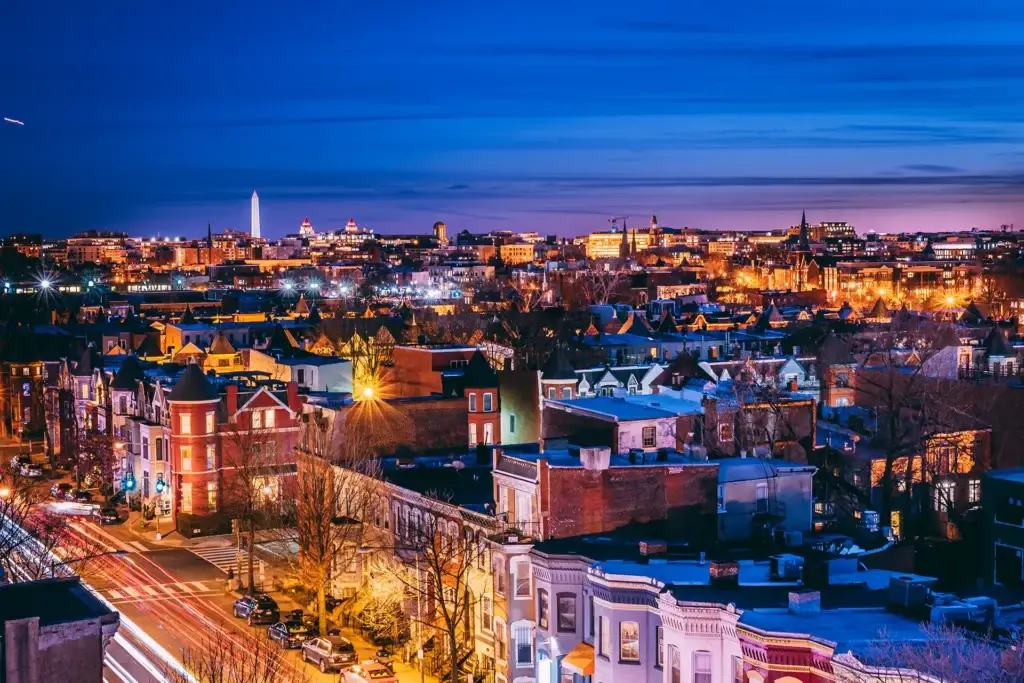
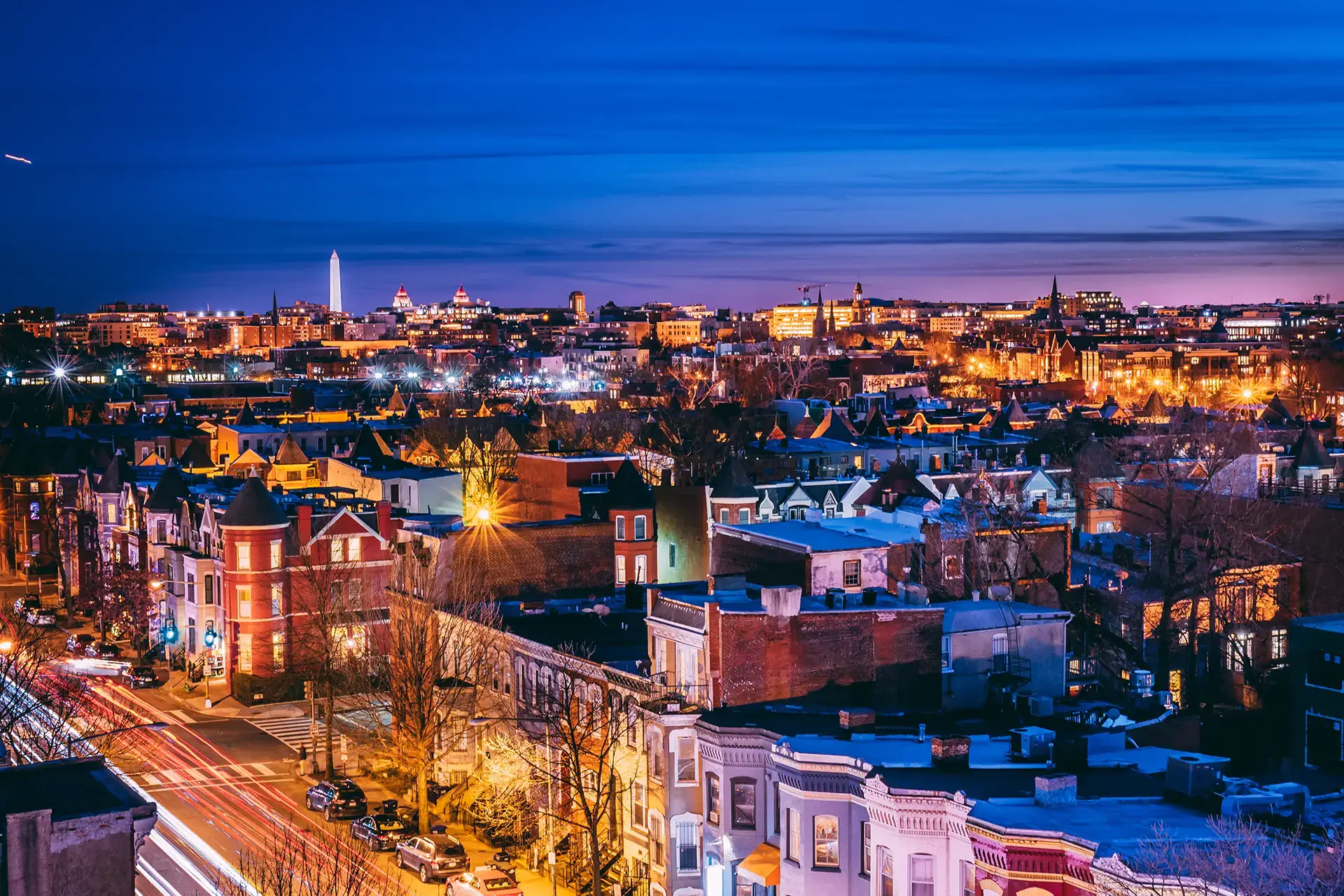
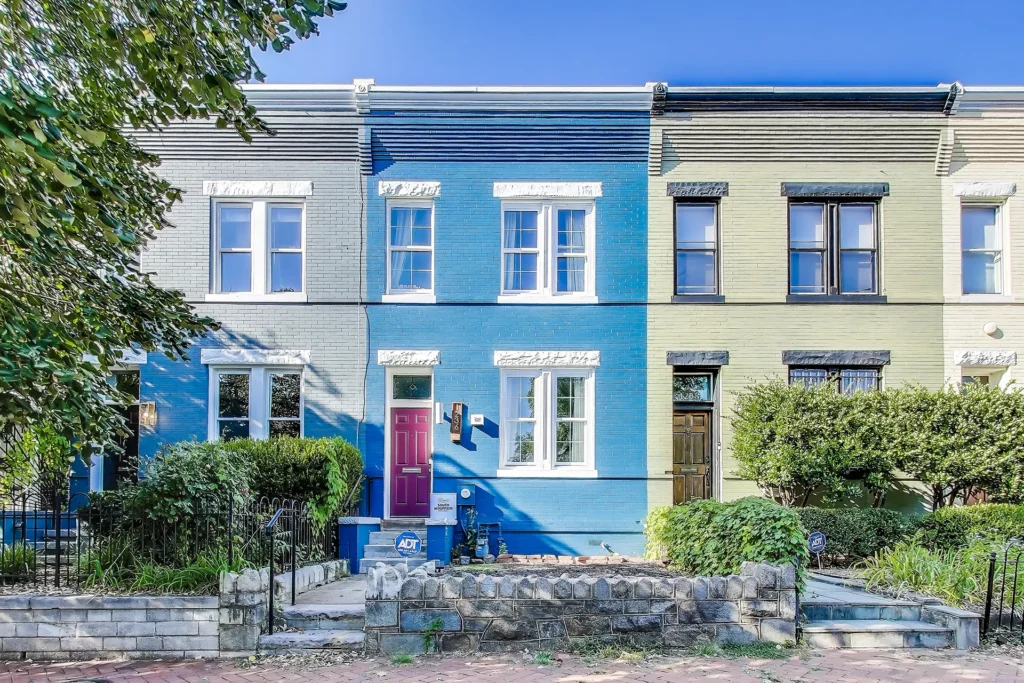
The housing is primarily brick rowhouses from the mid-1800s through the early 1900s — Federal, Italianate, Queen Anne, and Romanesque styles — many with bay fronts, iron stoops, and small front gardens. Many have been carefully renovated with modern interiors, and some are divided into condominiums. A smaller number of apartment and condo buildings add options near the Metro and the edges of the neighborhood.

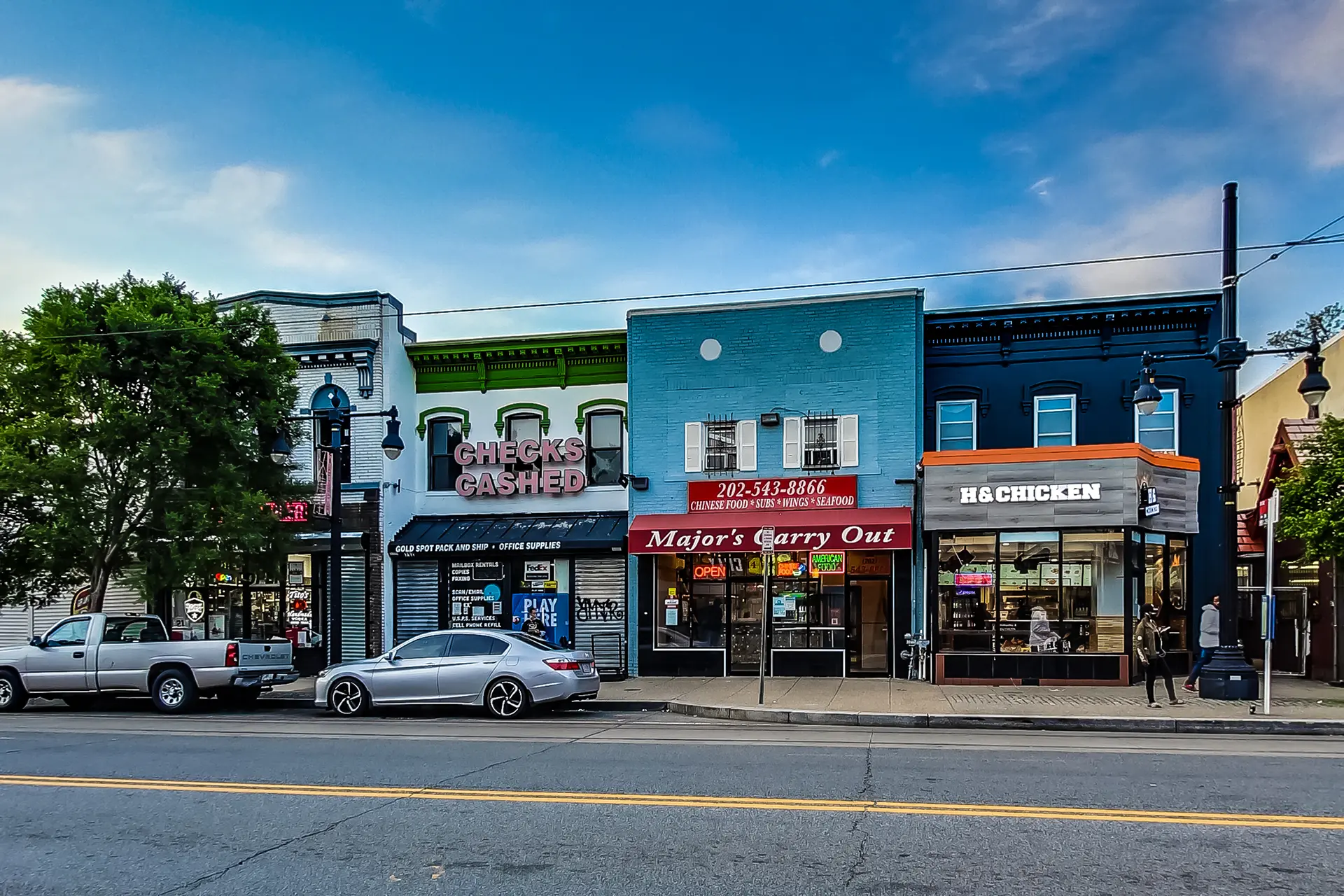
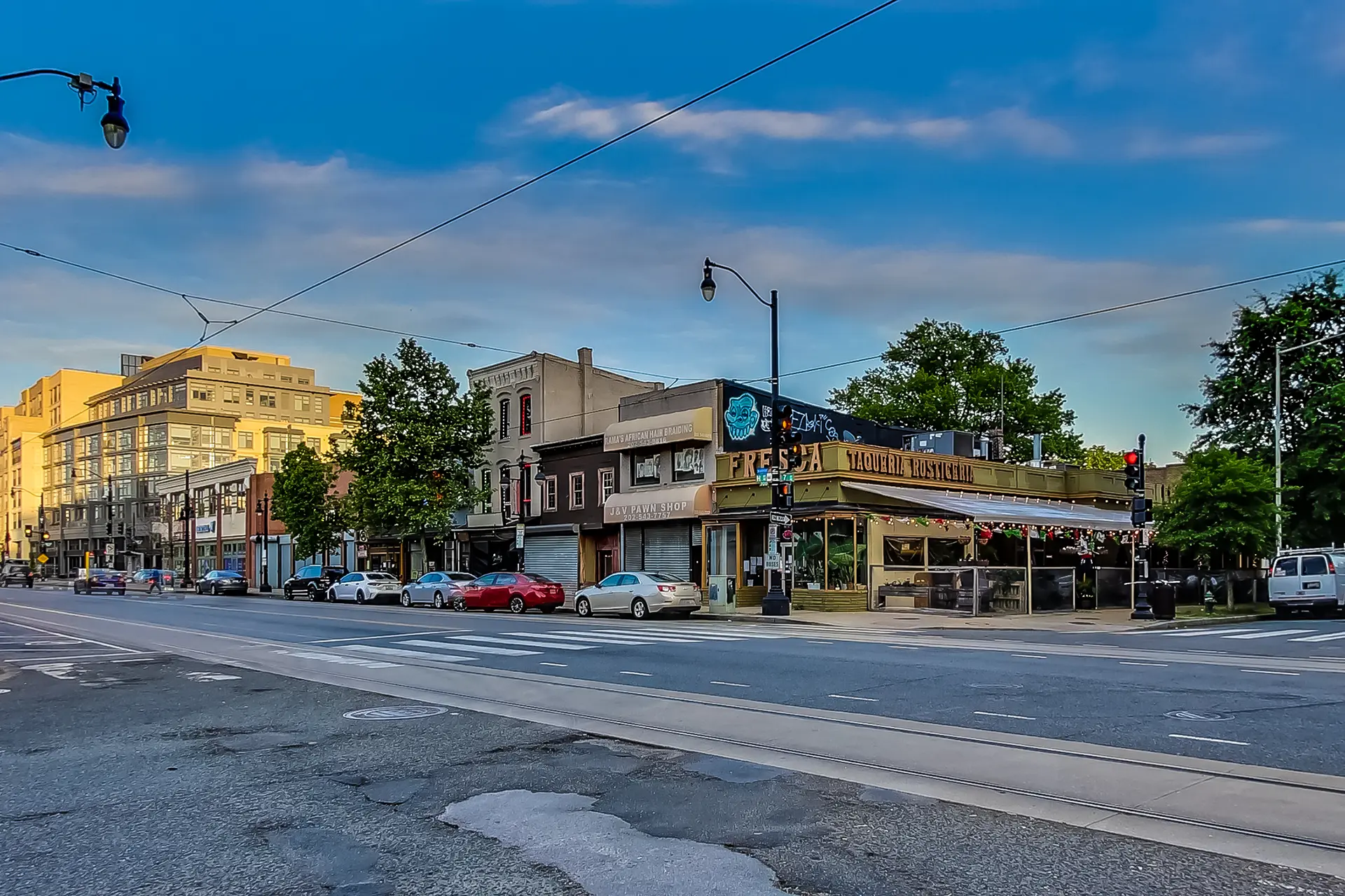
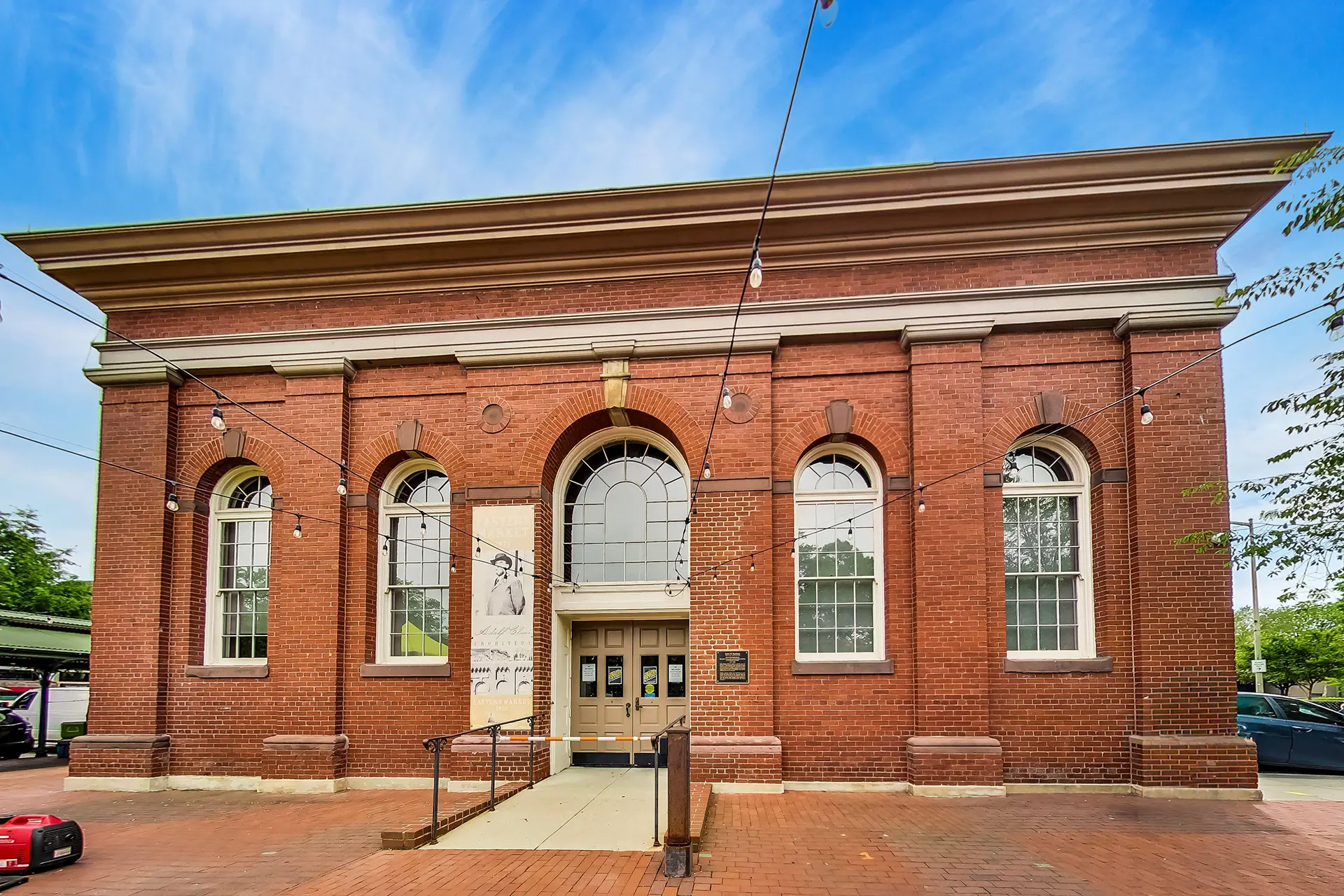
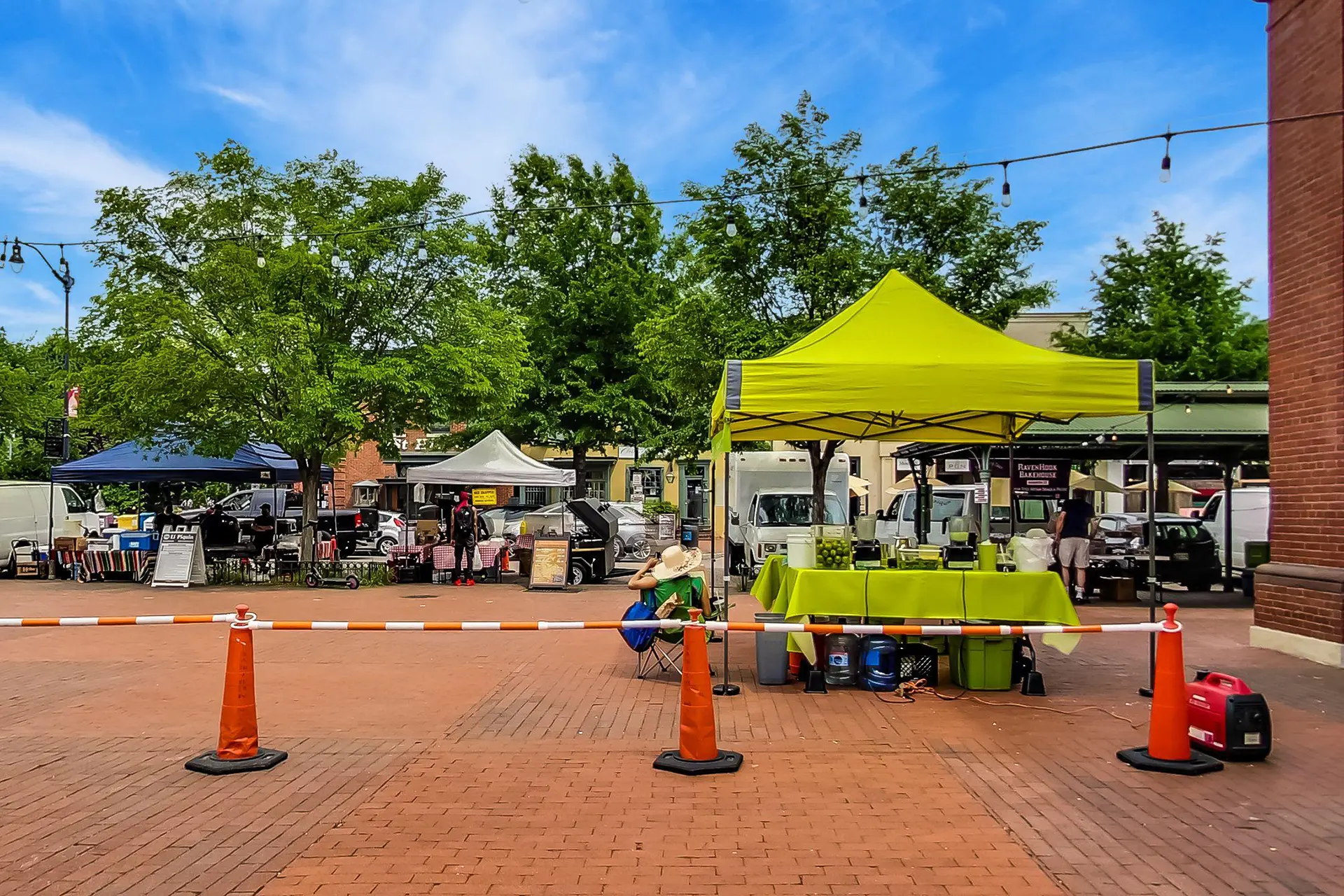
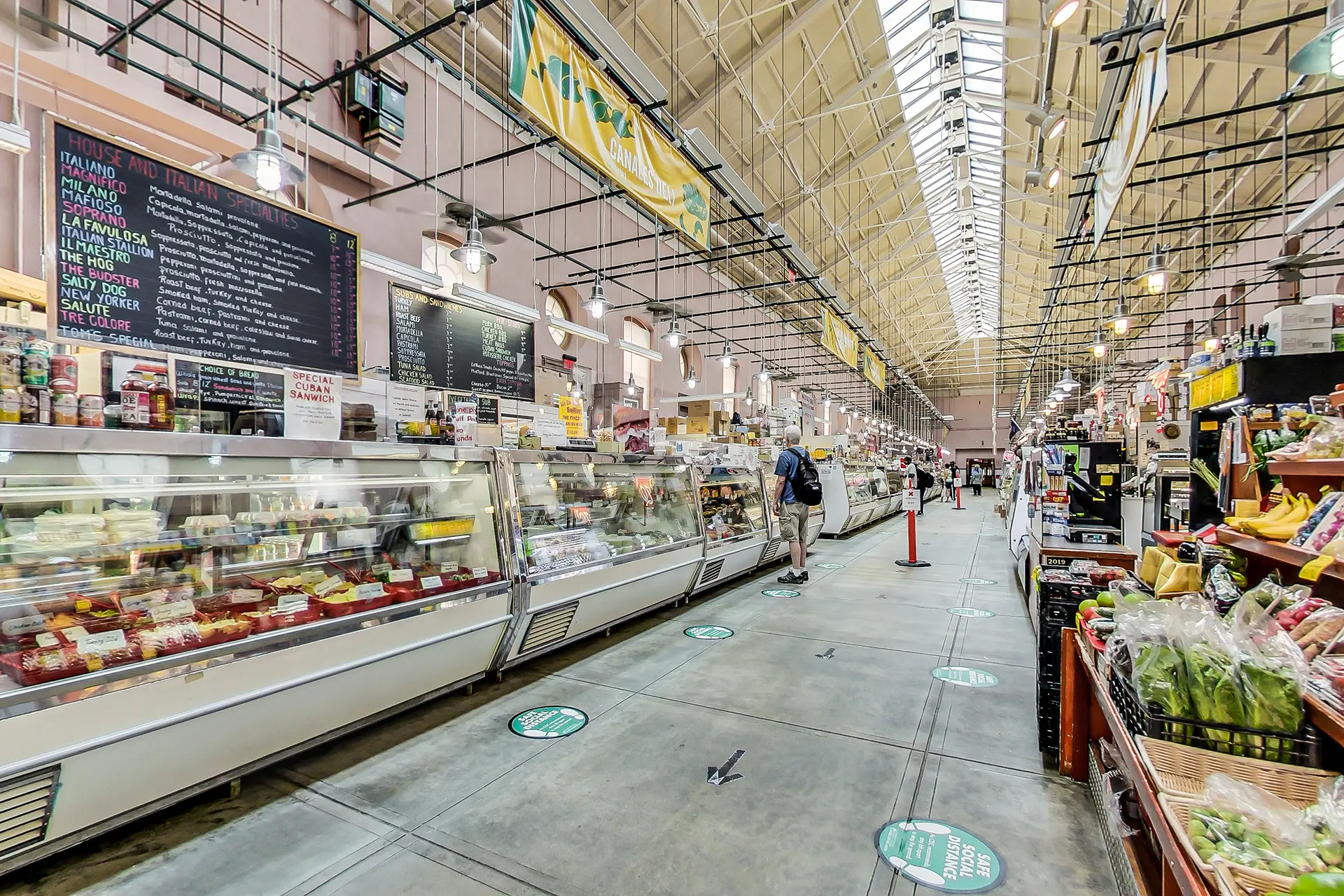
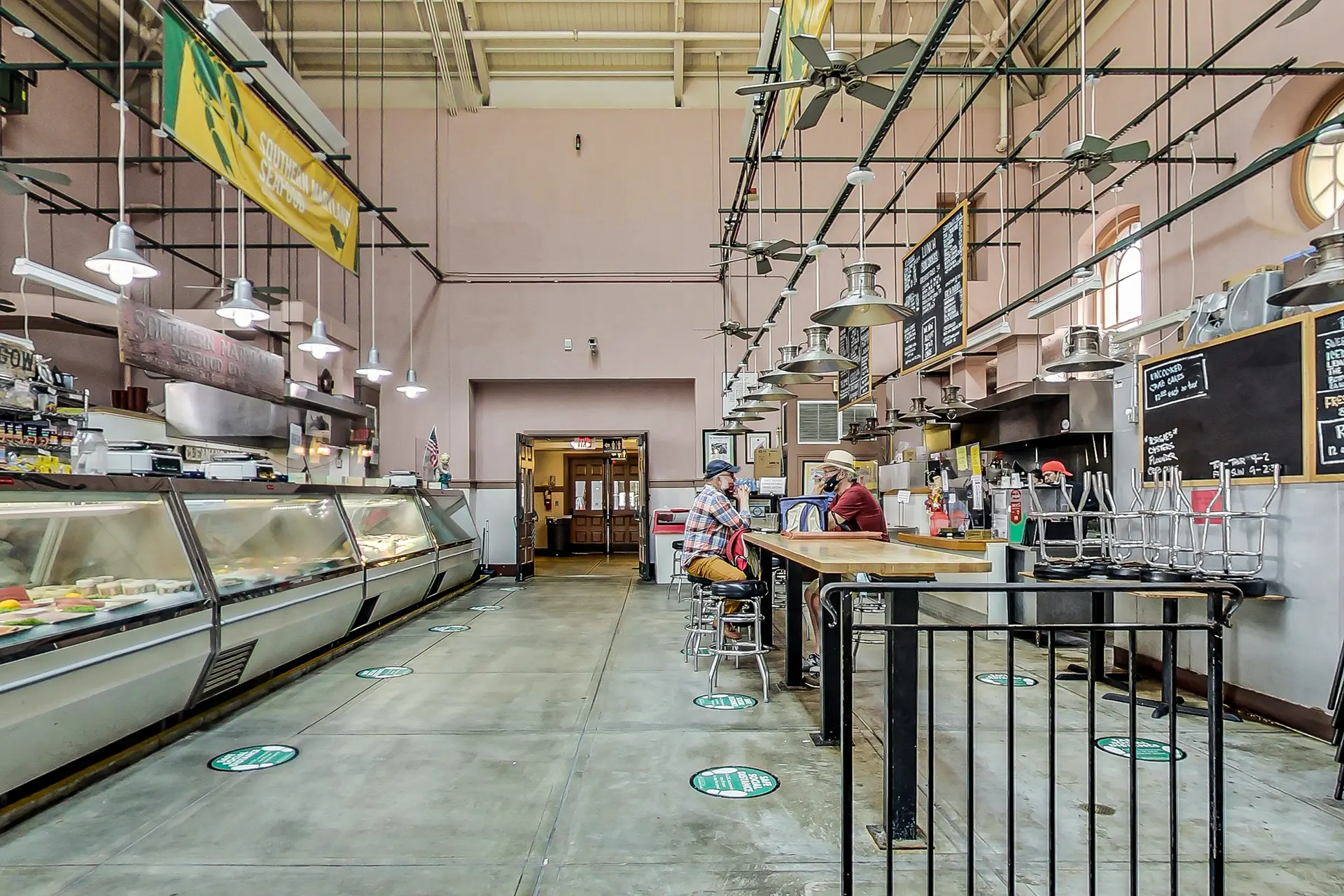
Daily life centers on Eastern Market, the historic public market with weekend vendors, and Barracks Row along 8th Street SE, with restaurants and shops. Lincoln Park, Stanton Park, and dozens of small triangle parks dot the neighborhood, and Pennsylvania Avenue SE adds more dining and services.

Eastern Market, Capitol South, and Potomac Avenue stations on the Blue, Orange, and Silver Lines serve the southern blocks, and Union Station serves the north. Capitol Hill offers historic rowhouse living a short walk from the Capitol, with a strong main-street and park network.

Key Highlights:

  • Historic rowhouses from the 1800s and early 1900s
  • Eastern Market and Barracks Row on 8th Street SE
  • Lincoln Park, Stanton Park, and small triangle parks
  • Eastern Market, Capitol South, Potomac Avenue, and Union Station Metro
  • Capitol Hill Historic District streetscapes
  • Walkable to the Capitol and Library of Congress

Capitol Hill Real Estate FAQs

Insight into the nuances of buying and selling in one of the country’s most complex urban markets.

Immediate proximity to the U.S. Capitol and direct government employment access make it unique.
Yes, Capitol Hill achieves excellent walkability with most amenities reachable on foot.
Capitol Hill features primarily Victorian-era rowhouses and townhouses with original architectural detail.
Capitol Hill pricing is comparable to Dupont Circle and Logan Circle, among DC’s strongest.
Capitol Hill has excellent bars, restaurants, and nightlife concentrated on H Street and 8th Street.
Much of the neighborhood is a 10- to 25-minute walk from the U.S. Capitol. Capitol South and Eastern Market stations on the Blue, Orange and Silver lines serve its center, and Union Station at the northwest edge adds the Red Line, MARC, VRE and Amtrak.
Capitol Hill has an active neighborhood life built around Eastern Market, Barracks Row, its parks, and community events, with historic streetscapes throughout.
Capitol Hill’s location, historic architecture, and walkable amenities have supported steady long-term demand. Compare recent sales on the same blocks, since pricing varies with size, renovation, and parking.

Location & Neighborhood

Historic rowhouse neighborhood east of the U.S. Capitol.
GENERAL BOUNDARIES:
  • NORTH: F Street NE (H Street Corridor beyond)
  • EAST: 15th Street SE/NE (Hill East beyond)
  • SOUTH: Southeast Freeway / Virginia Avenue SE
  • WEST: 1st Street SE/NE and the Capitol grounds

Rowhouses, Parks, and Eastern Market

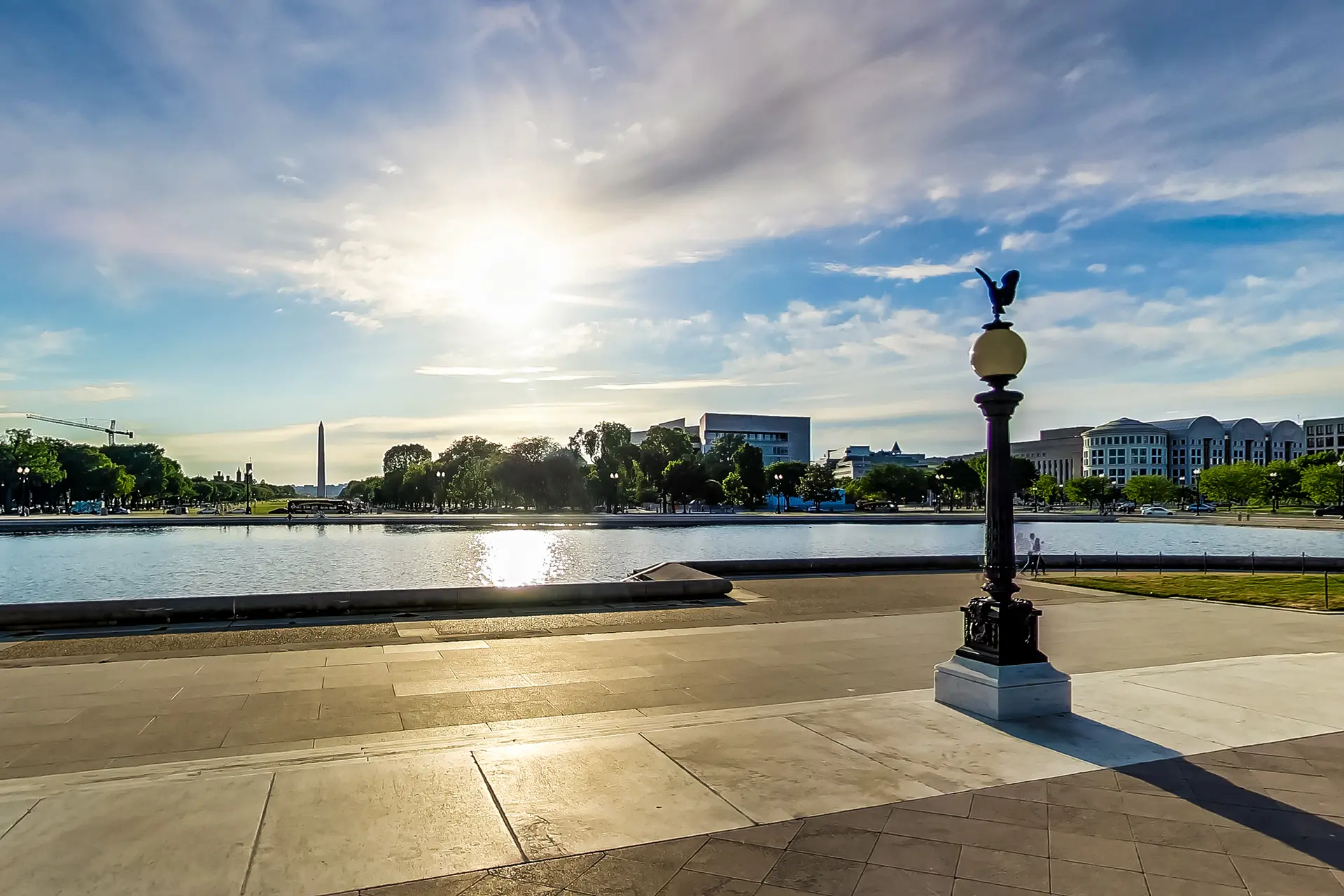
Capitol Hill is located directly south and east of the U.S. Capitol, placing it at the heart of DC’s political geography. The neighborhood stretches from the Capitol east to the Anacostia River, providing residents with proximity to government employment and Capitol views. Tree-lined streets, historic architecture, and established community make Capitol Hill one of DC’s most desirable neighborhoods for both newcomers seeking to be close to government and established residents with deep ties to the community.

Neighboring Area:

  • Union Station / NoMa — approximately 10 minutes
  • Downtown DC — approximately 10–15 minutes
  • Eastern Market — approximately 10 minutes
  • Anacostia — approximately 15 minutes

A Day In The Life - Snapshot

The quick details buyers ask about most.

Metro Access
Capitol Hill is served by the Capitol South Metro station (Orange/Blue lines) and multiple stations within walking distance including Union Station.
Walkability
Capitol Hill achieves excellent walkability. Most daily amenities are reachable on foot, and the neighborhood’s tree-lined streets encourage walking.
Typical Home Types
Capitol Hill features primarily Victorian-era rowhouses and townhouses, many original to the 19th and early 20th centuries. Most retain original architectural detail including crown molding, hardwood floors, and fireplaces combined with modern interiors.
Parking
Street parking is available but competitive, particularly near commercial corridors. Some properties include off-street parking. Walkability and transit reduce car necessity.
Vibe
Historic and neighborly, with rowhouse blocks, small parks, and busy local hubs at Eastern Market and Barracks Row, all a short walk from the Capitol.
Best For
Buyers who want a historic rowhouse or condo within walking distance of the Capitol, Eastern Market, parks, and Metro.

Capitol Hill Market Snapshot

A high-level look at current pricing, demand, and sales activity in the Capitol Hill real estate market.
$1,000,000

Median Sales Price

$611

Median Price Per Sq Ft

11

Median Days On Market

433

Annual Closed Sales

+1.5%

YoY Median Price Change

Capitol Hill is a rowhouse market, with condominiums in converted rowhouses and small buildings. The snapshot covers every closed sale inside the neighborhood boundary over the trailing twelve months through September 2026 — 319 rowhouses and semi-detached homes, 100 condominiums, and 14 detached houses. Price per square foot uses interior living area.

Across all home types the median sale was $1,000,000 at about $611 per square foot, with a median of 11 days on market and sales averaging 98% of original list price. The median rose about 2% from the prior twelve months. Within segments, the rowhouse median fell about 2% to $1.1 million and the condo median held near $484,000.

Market data reflects recent 12-month activity. Individual buildings may vary.

For Sale

Homes for Sale in Capitol Hill

Every active Capitol Hill listing, pulled live from Bright MLS.

Don’t see the right home?

We track private and off-market opportunities before they reach the MLS.

Recently Sold

Recently Sold in Capitol Hill

Closed sales from the past 12 months — the comps that set today’s pricing.

Wondering what your home could sell for?

Get a pricing strategy built on these comps and current Capitol Hill demand.

In-Depth Market Analysis

Capitol Hill Market Insights

How pricing trends, absorption rates, and inventory levels are shaping buying and selling

Inventory & Absorption

Capitol Hill sees steady turnover across a large stock of rowhouses and condos. Well-renovated homes near Eastern Market and the Metro typically sell quickly when priced to recent sales.

Pricing Dynamics

Capitol Hill pricing reflects its location, historic architecture, and walkability. Renovation quality, size, rear parking, and rental units drive much of the spread between similar rowhouses.

Buyer Profile

Buyers here compare blocks by distance to Eastern Market and the Metro, and weigh renovation quality, parking, outdoor space, and basement rental units. Many also compare Capitol Hill with Hill East and the H Street Corridor.

Strategic Outlook

For buyers: focus on condition, parking, and historic-district review for any exterior plans, and compare recent sales on the same blocks. For sellers: highlight updates, outdoor space, parking, and proximity to Eastern Market and Metro.

Market Position Overview:

Inventory Level: Balanced with selective competition

Negotiation Environment: Moderate flexibility

Typical Days on Market: 25-45 (well-priced units)

Rental Demand: Consistent due to transit proximity

Long- Term Outlook: Stable, walkability-driven value

Capitol Hill Housing & Architecture

DC’s largest historic district: block after block of Victorian brick rowhouses, with a few Federal-era houses, around Eastern Market and Lincoln Park.
Victorian Rowhouses
Italianate, Queen Anne, and Romanesque rowhouses from the 1870s–1900s, many with bay fronts and iron stoops, make up most of the Capitol Hill Historic District.
Federal-Era and Early Houses
A smaller number of Federal-style and early frame houses from the first half of the 1800s survive, especially near the Navy Yard and the older blocks south of Pennsylvania Avenue.
Rowhouse Flats and Small Buildings
Many larger rowhouses have been divided into two- and three-unit condominiums, and small apartment buildings on the avenues add one- and two-bedroom options.
Eastern Market
The 1873 brick market hall on 7th Street SE holds food vendors daily and a weekend farmers and flea market outside.
Lincoln Park
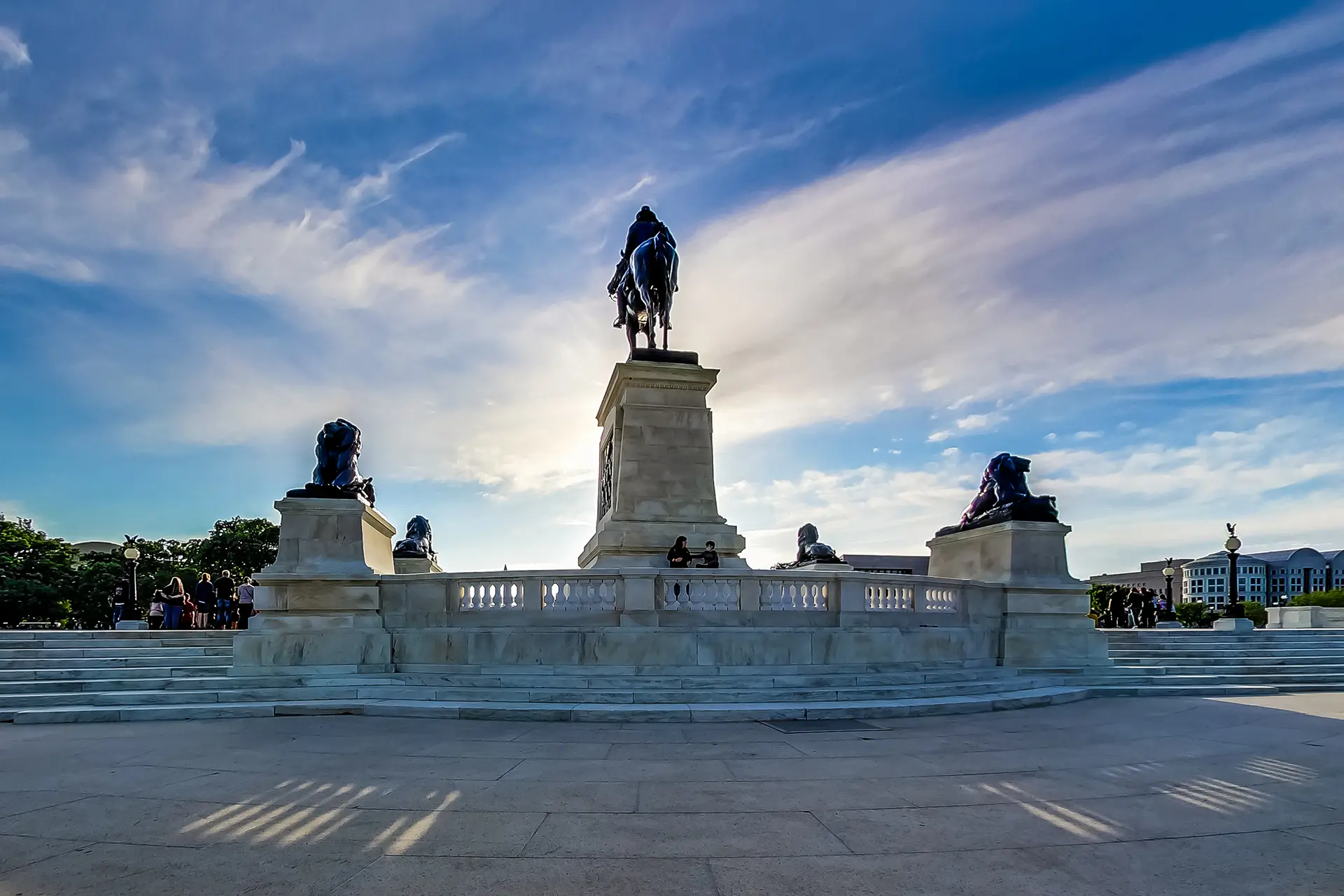
The large park on East Capitol Street, home to the 1876 Emancipation Memorial and the Mary McLeod Bethune Memorial, is the neighborhood’s central green.
Barracks Row and Metro
Barracks Row on 8th Street SE is the main dining street; Eastern Market, Capitol South, and Potomac Avenue stations (Blue/Orange/Silver) serve the neighborhood.

Condo Buildings

Condo Buildings in Capitol Hill

Building-by-building guides with amenities, fees, recent sales and what's for sale now.

Ready to Talk About Your Next Move?

We’ll listen first, then recommend a strategy that fits your goals and timing.