Living in Downtown DC

Full-service condominiums around CityCenterDC, Franklin Square, and the K Street corridor, with Metro Center at the center and Penn Quarter, Chinatown, and the White House a short walk away.

Downtown DC Market Snapshot

A high-level look at current pricing, demand, and sales activity in the Downtown DC real estate market.
$725,000

Median Sales Price

$671

Median Price Per Sq Ft

61

Median Days On Market

31

Annual Closed Sales

+21.8%

YoY Median Price Change

Downtown DC is a condominium market of full-service buildings around CityCenterDC, Franklin Square, and the K Street corridor. The snapshot covers every closed sale inside the downtown boundary over the trailing twelve months through September 2026 — 31 condominiums. Price per square foot uses interior living area.

Across all home types the median sale was $725,000 at about $671 per square foot, with a median of 61 days on market and sales averaging 93% of original list price. The median rose about 22% from the prior twelve months. With 31 sales in the year, year-over-year figures can swing widely, so recent sales on the same blocks are the better guide.

Market data reflects recent 12-month activity. Individual buildings may vary.

What Would Your Home Sell For Here?

Get my personal read on your home’s value, built from recent sales nearby and the homes you’d compete with, not an algorithm. I reply within one business day. Free, and no obligation to list.

For Sale

Homes for Sale in Downtown DC

Every active Downtown DC listing, pulled live from Bright MLS.

Don’t see the right home?

We track private and off-market opportunities before they reach the MLS.

Recently Sold

Recently Sold in Downtown DC

Closed sales from the past 12 months — the comps that set today’s pricing.

Wondering what your home could sell for?

Get a pricing strategy built on these comps and current Downtown DC demand.

Living in Downtown DC

An overview of daily life, character, and what draws residents to the neighborhood.
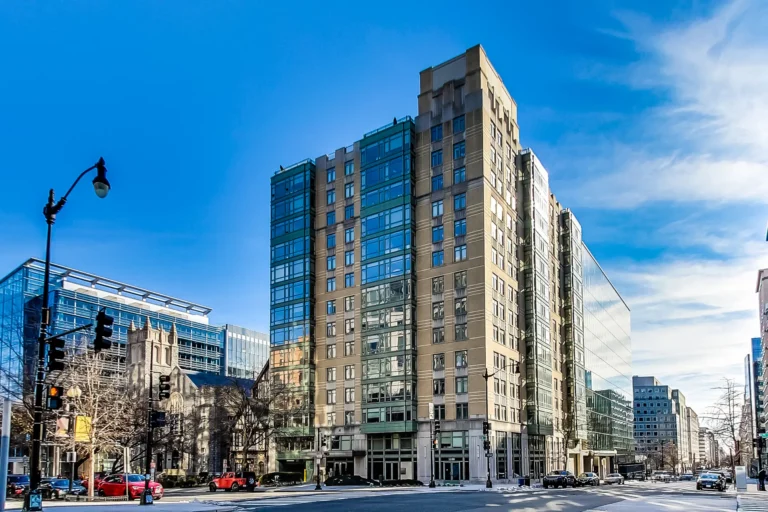
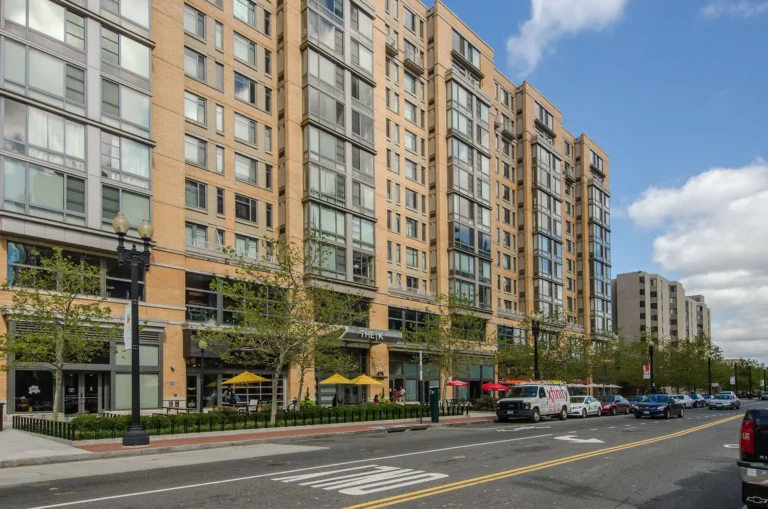
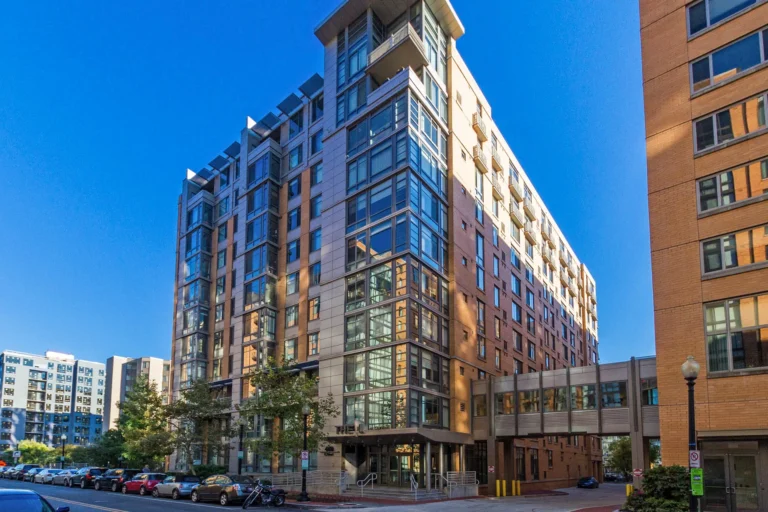
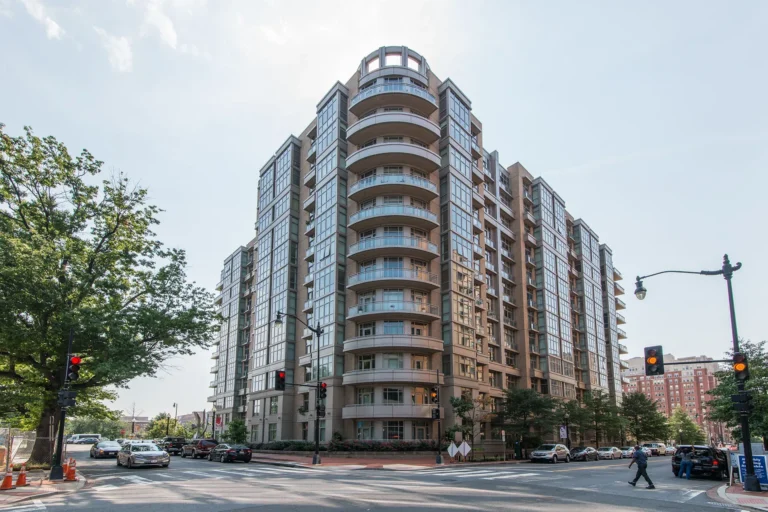
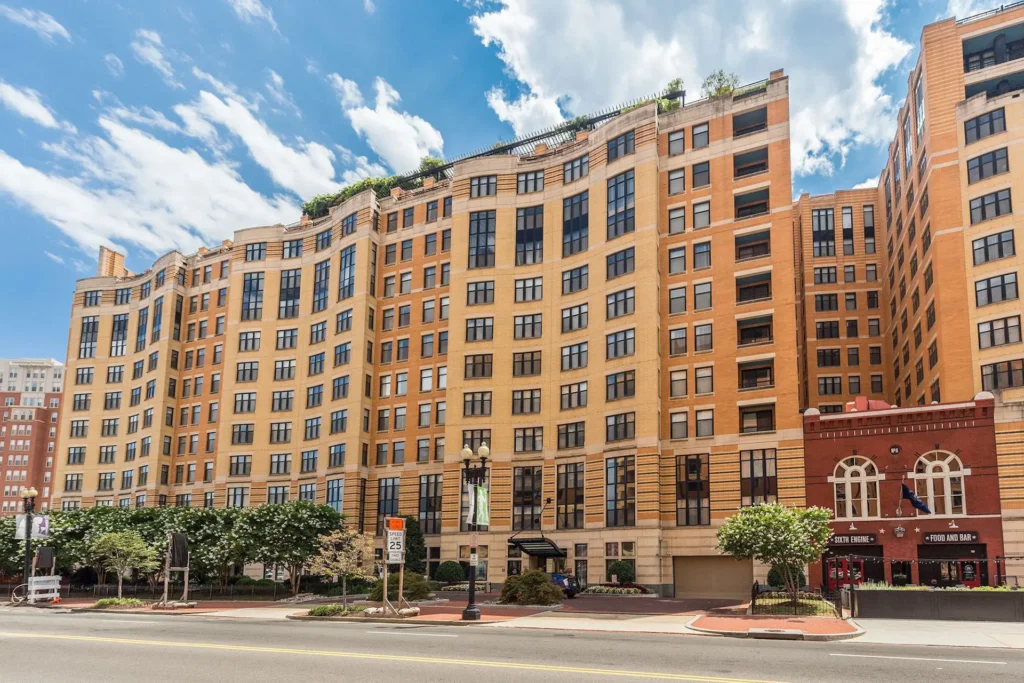
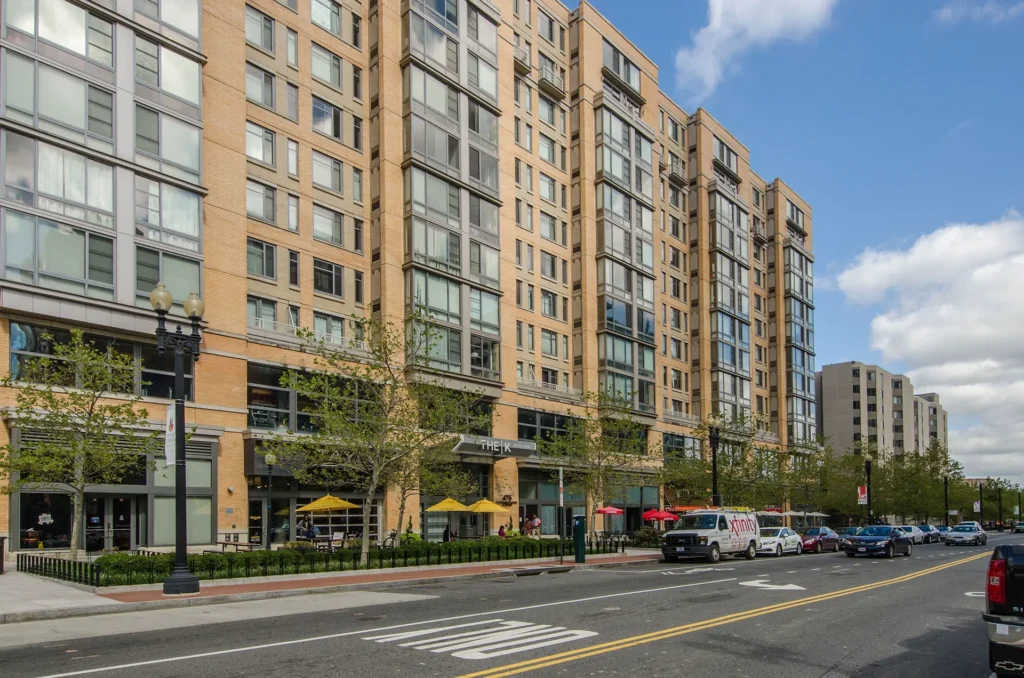
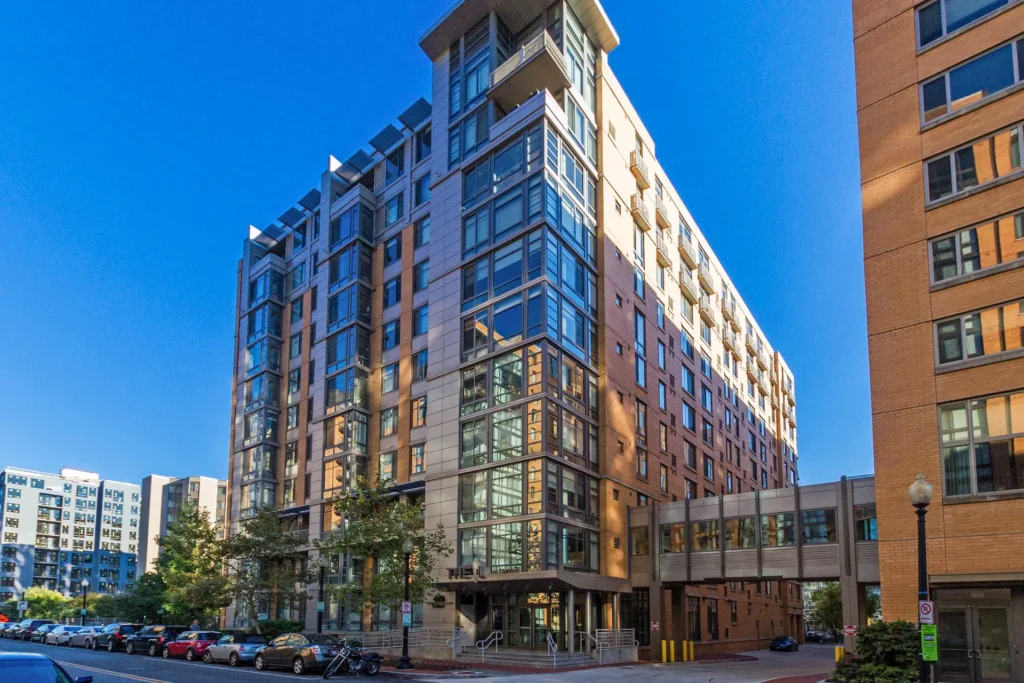
Downtown DC (also known as City Center) is the District’s most connected, “step-out-your-door” neighborhood—where offices, dining, hotels, and culture all converge within a few walkable blocks. It’s ideal for buyers who want an effortless urban lifestyle with Metro access, minimal commute time, and the energy of the city at their fingertips. The housing mix leans heavily toward modern, full-service condominium buildings with amenities like concierge services, fitness centers, and resident lounges. Many homes feature open layouts, floor-to-ceiling windows, and skyline or monument views, while select pockets nearby offer classic DC architecture for those who want a more historic feel. Daily life here is built around convenience and choice: coffee shops and boutique fitness in the morning, galleries and theaters after work, and an ever-evolving restaurant scene on evenings and weekends. With easy access to Logan Circle, Dupont Circle, Penn Quarter, and the National Mall, Downtown works as a true hub—close to everything, yet polished and livable. If you’re weighing a move Downtown, the key is matching building style, amenities, and noise level to your priorities. I’m happy to share current inventory, off-market possibilities, and a short list of buildings that consistently stand out for lifestyle and long-term value.

Key Highlights:

  • Modern high-rise and mid-rise residential towers
  • Access to nearly every Metro line, cultural institutions, and major employers
  • Walkable to restaurants, museums, and entertainment
  • Building amenities in most residential buildings
  • Short commutes to downtown offices
  • Active streetscape with year-round retail and dining

Downtown DC Real Estate FAQs

Insight into the nuances of buying and selling in one of the country’s most complex urban markets.

Downtown DC attracts more transient residents than established neighborhoods, but growing numbers of long-term residents are building genuine community. The neighborhood offers lifestyle and convenience that appeal to both temporary and permanent residents.
No. Downtown DC is highly walkable with exceptional Metro access. Most residents rely on foot, bike, or public transit for daily needs. Car ownership is optional rather than essential.
Downtown DC residential stock consists almost entirely of condominiums in high-rise and mid-rise buildings. Lofts in historic conversions are available but less common. Single-family homes are essentially nonexistent in this neighborhood.
Downtown DC commands a premium per square foot compared to Capitol Hill, U Street, and Shaw, reflecting the location bonus. Dupont Circle and Georgetown pricing are comparable or higher.
Street parking is extremely limited. Most buildings offer garage parking as a paid amenity ($200–$400/month). Reliance on parking encourages transit and walkability.
Downtown DC has a large restaurant scene, cocktail bars, and casual dining throughout, with the Gallery Place area and 14th Street corridor particularly strong for dining and entertainment.
Downtown DC has established itself as a primary residential destination. Long-term appreciation potential is solid for well-maintained buildings with strong amenities. New construction may impact older building values, but location premium is durable.
Downtown DC condos are actively listed on MLS and Compass. Current inventory is typically 15–25+ buildings across all price points. I can provide building-specific guidance and current availability.

Location & Neighborhood

Centrally located with easy access to surrounding neighborhoods, transit, and the broader Washington, DC area.
GENERAL BOUNDARIES:
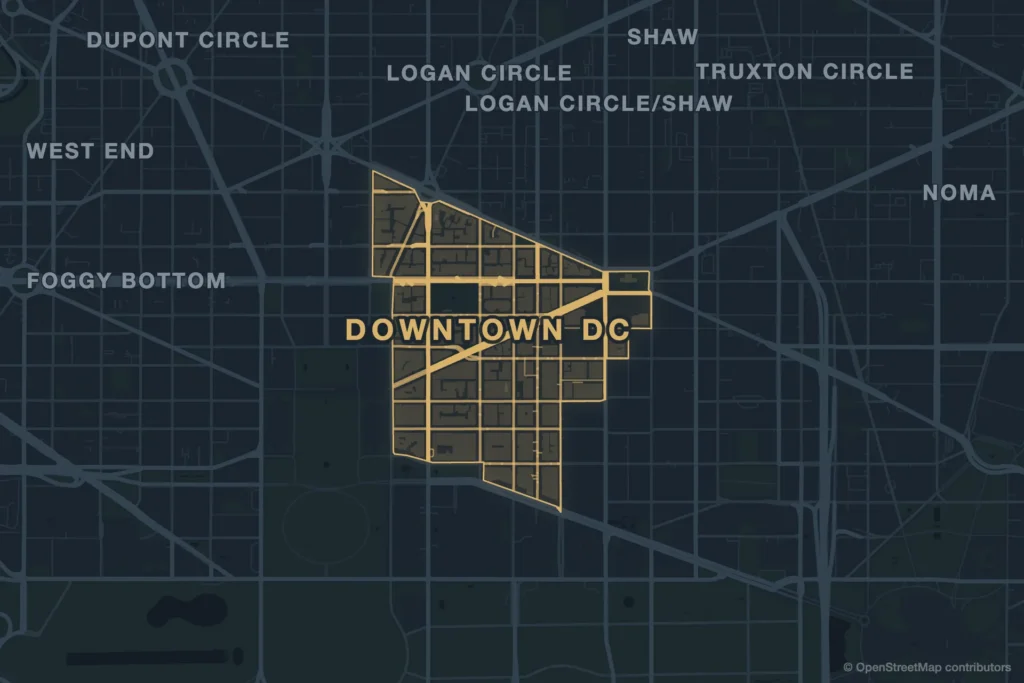
  • NORTH: Massachusetts Avenue NW / M Street NW
  • EAST: 9th Street NW (Chinatown and Penn Quarter beyond)
  • SOUTH: E Street NW / Pennsylvania Avenue NW
  • WEST: 16th Street NW

At the Center of It All

Downtown DC sits at the crossroads of the city’s most active neighborhoods, with Logan Circle, Penn Quarter, Dupont Circle, and the National Mall all within easy reach. The area’s central location makes it a natural hub for work, dining, culture, and everyday living. Multiple Metro lines, major bus routes, and direct access to key downtown corridors make getting around simple—whether commuting locally or connecting to other parts of the region.

Neighboring Area:

  • Logan Circle — approximately 5–10 minutes Penn Quarter — approximately 5–10 minutes National Mall — approximately 5–10 minutes

A Day In The Life - Snapshot

The quick details buyers ask about most.

Metro Access
Metro Center (Red, Orange, Blue, Silver) is at the center of the district, with McPherson Square, Farragut, and Gallery Place stations within a few blocks.
Walkability
Very walkable: offices, restaurants, CityCenterDC shops, theaters, and museums are all within a few blocks of most buildings.
Typical Home Types
Almost entirely condominiums in 2000s and 2010s full-service buildings, plus a few office-to-residential conversions; studios and one-bedrooms are most common.
Parking
Garage parking is typically deeded or rented separately; street parking is limited and metered during business hours.
Vibe
Busy and commercial on weekdays, quieter on weekends, with dining and theaters bringing evening activity around CityCenterDC and 7th Street.
Best For
Homes with concierge service and a short walk to Metro, offices, and downtown dining, in buildings with elevators and amenities.

In-Depth Market Analysis

Downtown DC Market Insights

How pricing trends, absorption rates, and inventory levels are shaping buying and selling

Inventory & Absorption

Downtown DC remains a condo-driven market with steady absorption and consistent year-round demand. Well-priced, modern units continue to move efficiently, while inventory in older or less-updated buildings experiences greater negotiation flexibility.

Pricing Dynamics

Full-service buildings with strong amenities and desirable exposures command premium pricing. Buyers are increasingly selective, prioritizing building reputation, walkability, and long-term resale positioning.

Buyer Profile

Buyers here compare buildings on fees, amenities, views, parking, and walking distance to Metro and offices, and often weigh Downtown against Penn Quarter, Mount Vernon Triangle, and the West End.

Strategic Outlook

For sellers, pricing accuracy and presentation are critical. For buyers, understanding building-level performance is often more important than neighborhood averages.

Market Position Overview:

Inventory Level: Balanced with selective competition

Negotiation Environment: Moderate flexibility

Typical Days on Market: 25-45 (well-priced units)

Rental Demand: Consistent due to transit proximity

Long- Term Outlook: Stable, walkability-driven value

Downtown DC Housing & Architecture

A compact core of 2000s and 2010s concierge condominiums above offices, shops, and restaurants, with Metro Center at its center.
Full-Service Condominiums
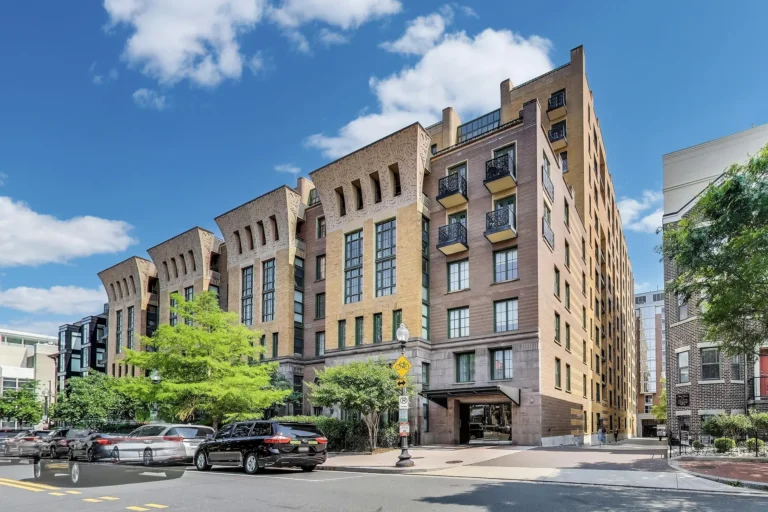
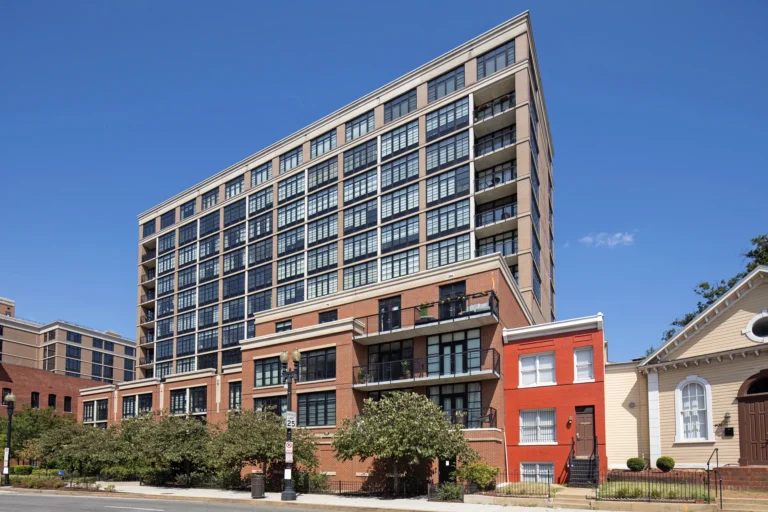
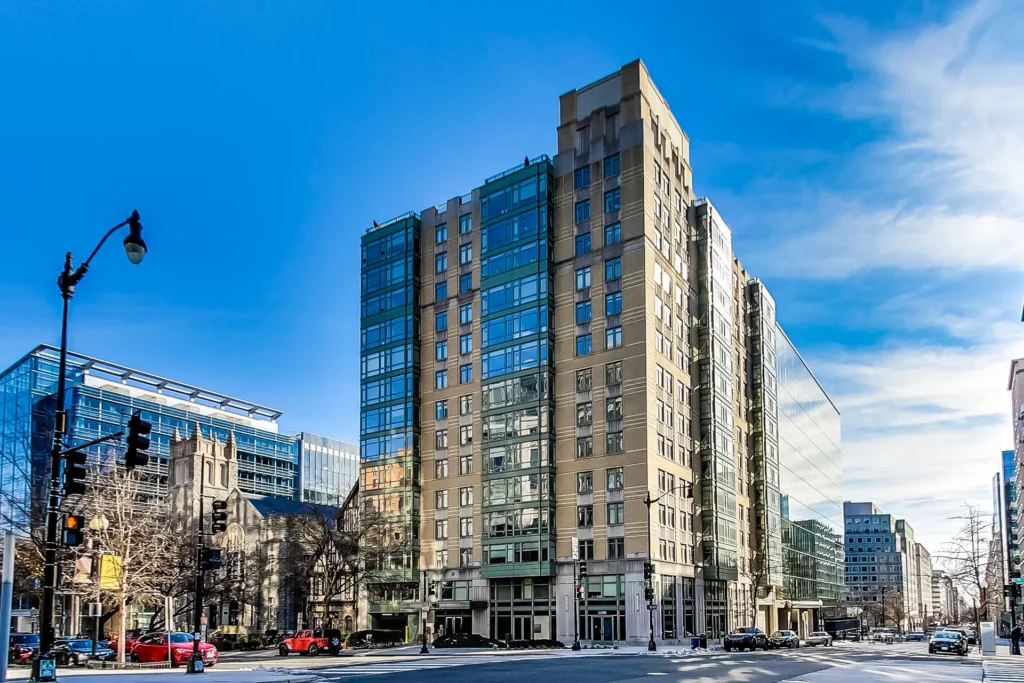
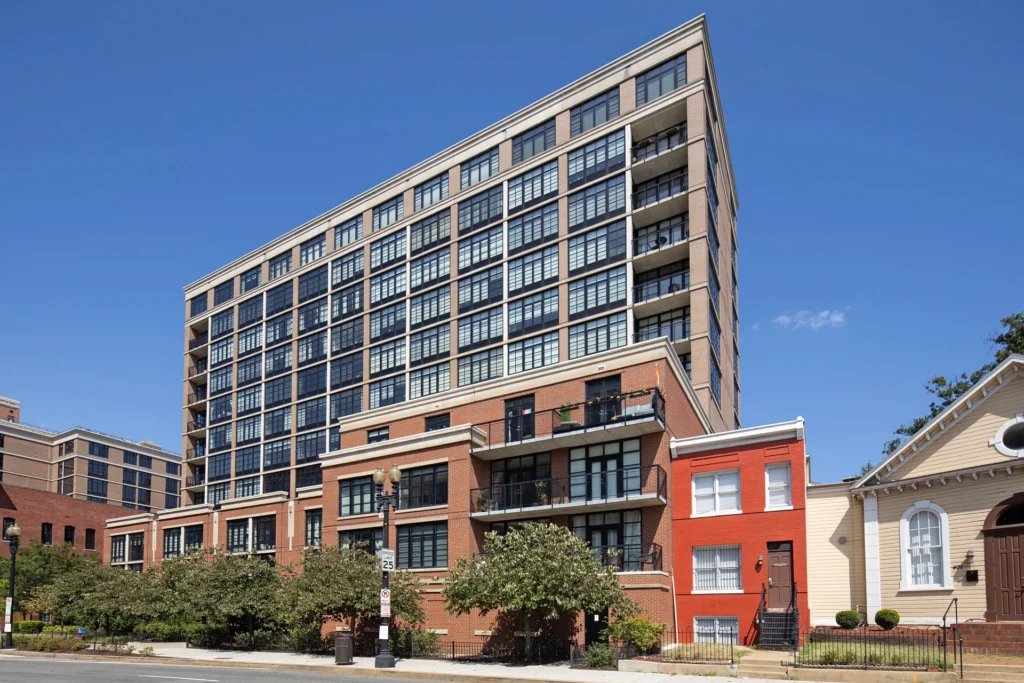
Most homes are in elevator buildings from the 2000s and 2010s with a front desk, fitness rooms, and roof decks. Studios and one-bedrooms dominate, with a smaller number of larger corner and penthouse layouts.
CityCenterDC
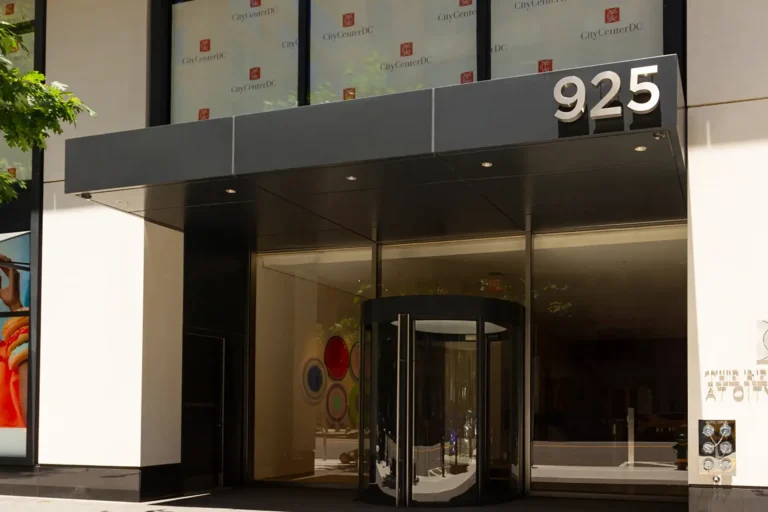
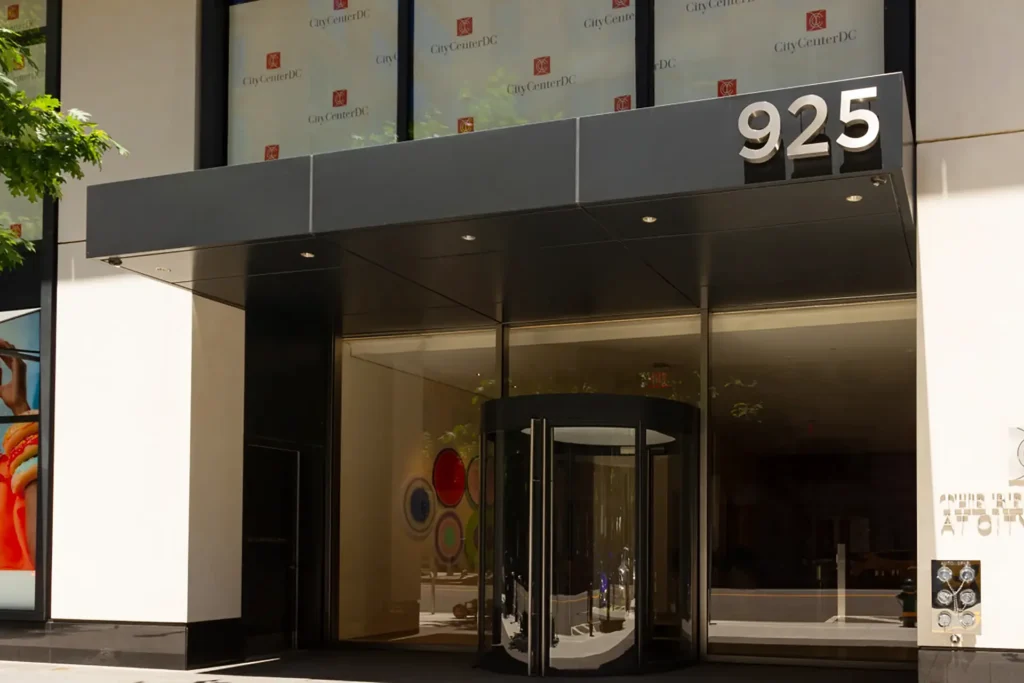
The mixed-use development on the old convention center site opened in 2014, with condominiums and apartments above Palmer Alley’s shops and restaurants between 9th and 11th Streets.
Office-to-Residential Conversions
Several older office buildings near Franklin Square and the K Street corridor have been converted to housing, adding homes with tall ceilings and large windows to a district long known for offices.
Franklin Square
The historic park between 13th and 14th Streets and I and K Streets reopened in 2024 after a full renovation, with a restored fountain, a café, and a playground.
Metro Center
Metro Center (Red, Orange, Blue, and Silver Lines) sits at the middle of the district, with Gallery Place, McPherson Square, and Farragut stations within a few blocks.
Parking and Fees
Garage parking is usually deeded or rented separately, and full-service buildings carry higher monthly fees for staff and amenities. Comparing fees and what they cover is part of comparing buildings.

Nearby neighborhoods

Close to Downtown DC

Ready to Talk About Your Next Move?

We’ll listen first, then recommend a strategy that fits your goals and timing.