
Washington, DC, Virginia & Maryland Neighborhood Guide
Compare lifestyle, housing styles, and real estate trends across the Washington region to find the community that fits you best.
Washington DC Neighborhoods & Regional Guide
Neighborhoods Across Washington, DC, Virginia & Maryland
Washington DC neighborhoods vary widely in architecture, lifestyle, and price point. This Washington DC neighborhood guide also includes communities in Northern Virginia and Maryland, helping buyers compare commute access, housing styles, and long-term value across the region.
The right neighborhood isn’t just about a zip code. It’s about how you live day to day. Use the guides below to evaluate walkability, parks and amenities, commuting patterns, and market momentum throughout the Washington area.
Start with a region, then explore individual neighborhoods for a deeper look at what makes each community distinct.
Choose Where You’d Like to Start

Washington, DC
Explore D.C.’s signature neighborhoods—from historic row house blocks to luxury condo living—each with its own rhythm, architecture, and market dynamics.

Northern Virginia
Discover NoVA communities known for convenience, schools, and lifestyle—ranging from Metro-oriented hubs to established neighborhoods with larger homes and green space.
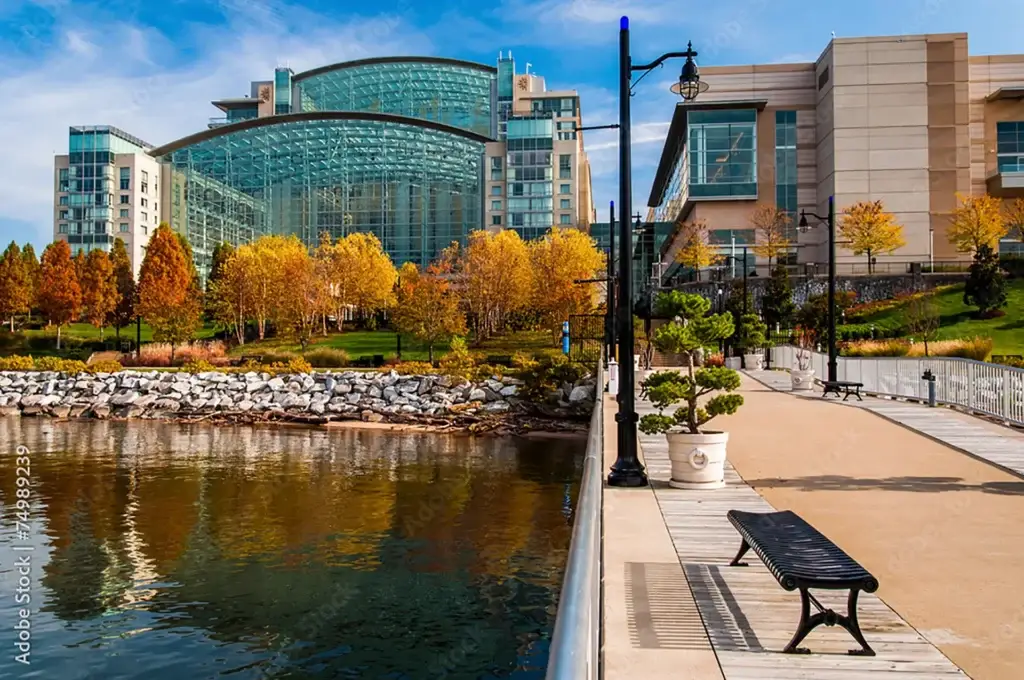
Maryland
Explore Maryland neighborhoods offering strong long-term value, vibrant downtown pockets, and classic residential streets—often with more space and excellent access to D.C.
Featured Neighborhoods Across the DMV
A few great places to begin—browse the full region guides for the complete list.

Downtown, DC
A dynamic urban core defined by luxury high-rise living, walkability, and immediate access to the city’s business, cultural, and dining districts.
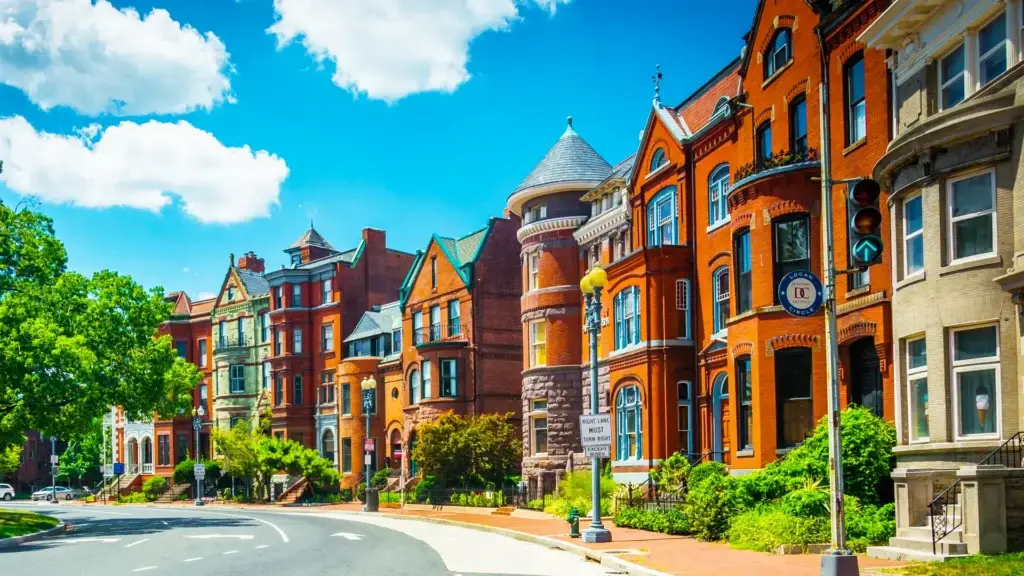
Logan Circle, DC
An architecturally rich neighborhood blending historic rowhomes, boutique condos, and a vibrant restaurant scene centered around its iconic namesake park.
Arlington, VA
A Metro-connected Northern Virginia hub offering modern high-rises, established neighborhoods, and seamless access to Washington, DC.
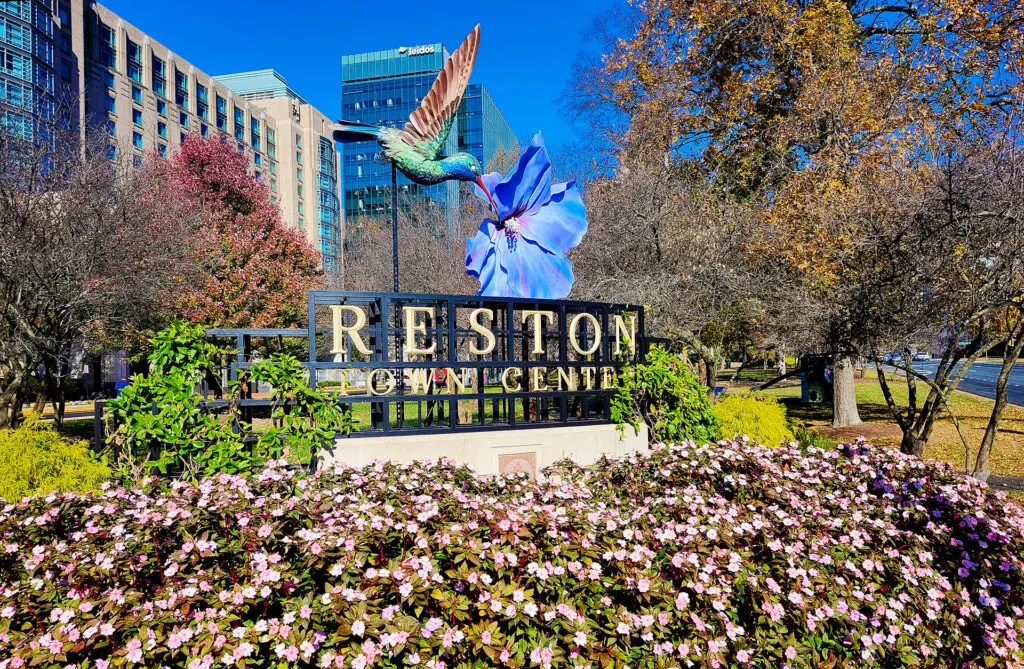
Reston, VA
A thoughtfully planned community known for wooded trails, lakeside living, and a balanced mix of residential neighborhoods and business centers.
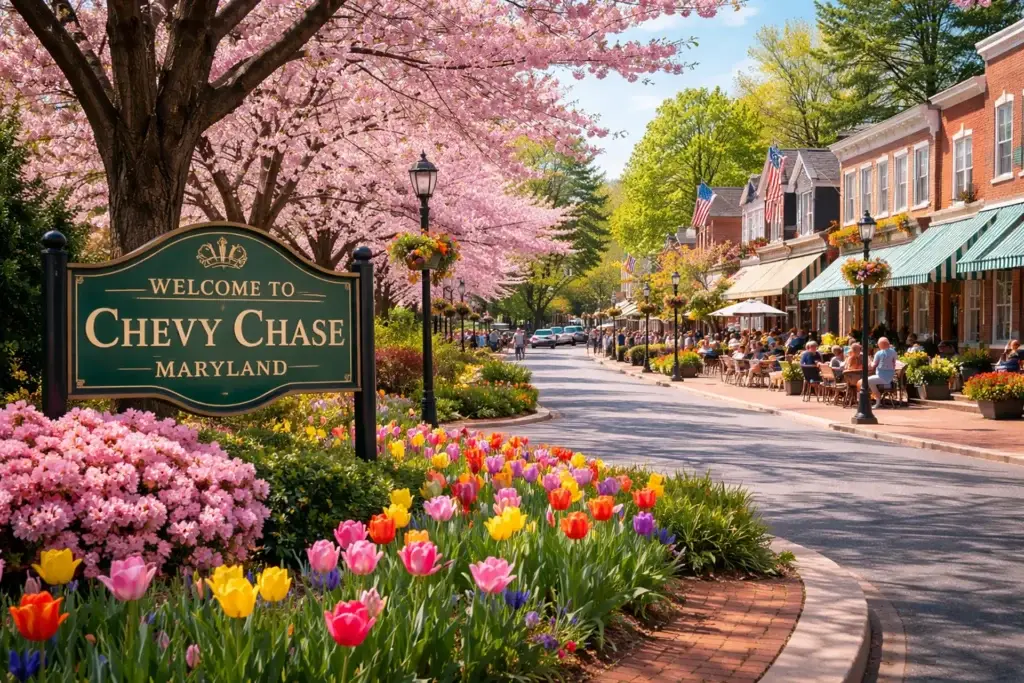
Chevy Chase, MD
An established Maryland enclave featuring tree-lined streets, classic architecture, and a refined suburban setting just beyond the D.C. line.
National Harbor, MD
A waterfront destination community offering contemporary condos, resort-style amenities, and sweeping views along the Potomac River.
Not Sure Where to Focus? We’ll Help You Narrow It Down.
If you’re deciding between D.C., Virginia, and Maryland—or comparing a few specific neighborhoods—we can help you match your lifestyle goals to the right areas and property types.
Comparing Neighborhoods Across DC, Virginia & Maryland
Key considerations when evaluating lifestyle, commute access, taxes, and property values.
What is the difference between buying in Washington, DC, Virginia, and Maryland?
Buying in Washington, DC often means prioritizing walkability, historic architecture, and condominium living in a highly urban environment. Northern Virginia offers a broad mix of high-rise Metro-oriented communities like Arlington alongside established suburban neighborhoods with larger homes and strong commuter infrastructure. Maryland communities such as Chevy Chase and Bethesda provide refined residential streetscapes, proximity to DC, and access to highly regarded school systems. The right choice depends on lifestyle preferences, commute needs, property type goals, and tax considerations.
How do property taxes compare between DC, Northern Virginia, and Maryland?
Property taxes vary meaningfully across DC, Virginia, and Maryland. Washington, DC typically has a lower property tax rate compared to surrounding jurisdictions, though overall cost of ownership depends on purchase price and condo fees. Northern Virginia counties each set their own rates, and while they are competitive, assessments and local add-ons can differ. Maryland tax rates are generally higher than DC’s, but vary by county. Buyers should evaluate not just the rate, but the total tax bill in relation to home value and long-term ownership goals.
Which areas near Washington, DC offer the shortest commute times?
Neighborhoods closest to downtown DC and those with direct Metro access typically offer the most efficient commute times. In DC, areas such as Downtown, Logan Circle, and Capitol Hill provide quick access to major employment centers. In Northern Virginia, Arlington’s Rosslyn-Ballston corridor and Crystal City are known for short Metro commutes. In Maryland, Bethesda and parts of Chevy Chase offer convenient Red Line access. Commute efficiency often comes down to proximity to Metro stations and major commuter routes.
How do home prices vary between DC, Arlington, and Bethesda?
Home prices vary based on property type, neighborhood demand, and proximity to Metro and employment centers. Washington, DC typically sees higher price-per-square-foot figures in centrally located neighborhoods and luxury condo buildings. Arlington’s pricing can be competitive for both high-rise condos and single-family homes, particularly near Metro corridors. Bethesda and surrounding Maryland communities often command strong prices for detached homes on larger lots. Market conditions and inventory levels can shift price dynamics, so neighborhood-level data is essential when comparing values.
Is it better to buy in DC or the surrounding suburbs?
There is no universal answer — it depends on how you define lifestyle priorities. DC offers urban density, cultural access, and strong walkability, often with condominium or rowhome living. Surrounding suburbs in Virginia and Maryland provide more space, quieter residential streets, and a broader selection of single-family homes. Buyers focused on commute convenience, school systems, or lot size may lean suburban, while those prioritizing city energy and proximity to amenities may prefer DC. The best choice aligns with long-term goals and daily lifestyle patterns.
How does Metro access influence neighborhood demand and property values?
Metro access is one of the strongest drivers of demand in the Washington region. Neighborhoods within walking distance of Metro stations typically command higher property values and stronger long-term appreciation potential. Easy access to public transit supports shorter commutes, increased rental demand, and broader buyer interest. While not the only factor influencing value, proximity to Metro remains a consistent indicator of neighborhood desirability across DC, Northern Virginia, and Maryland.