 DC
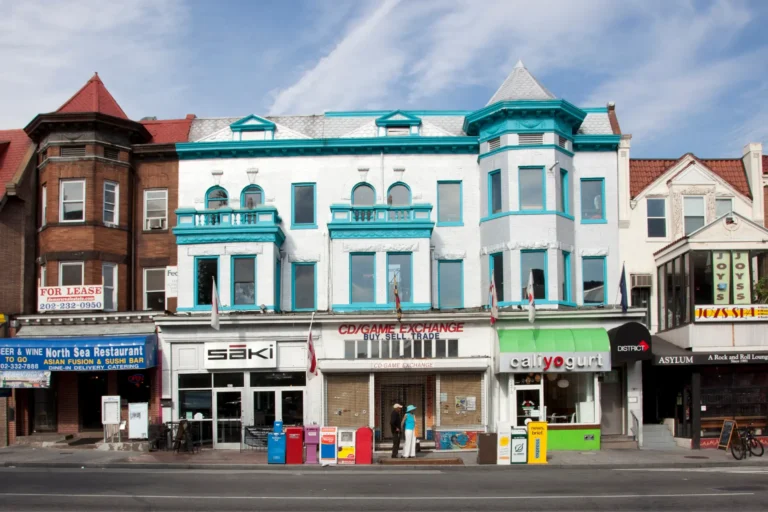
Adams Morgan
Victorian rowhouses and classic apartment buildings around 18th Street and Columbia Road, with one of DC's liveliest restaurant and nightlife strips and Meridian Hill Park nearby.
 DC
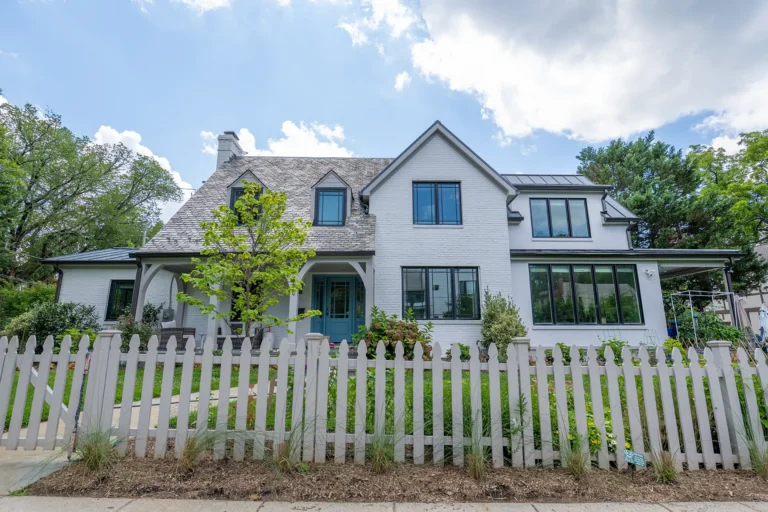
American University Park
Quiet, tree-filled residential neighborhood anchored by American University, featuring classic rowhouses and strong community identity.
 DC
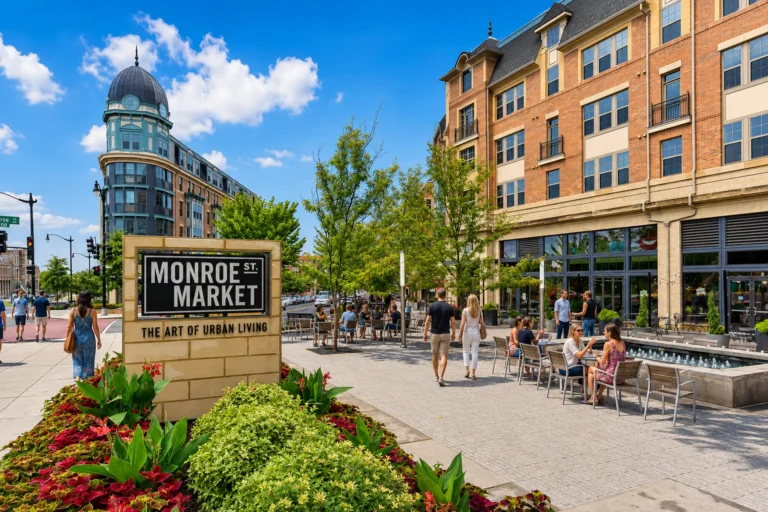
Brookland
Early-20th-century detached homes and rowhouses in Northeast DC beside Catholic University, with Brookland-CUA Metro, the Metropolitan Branch Trail, and Monroe Street Market.
 DC
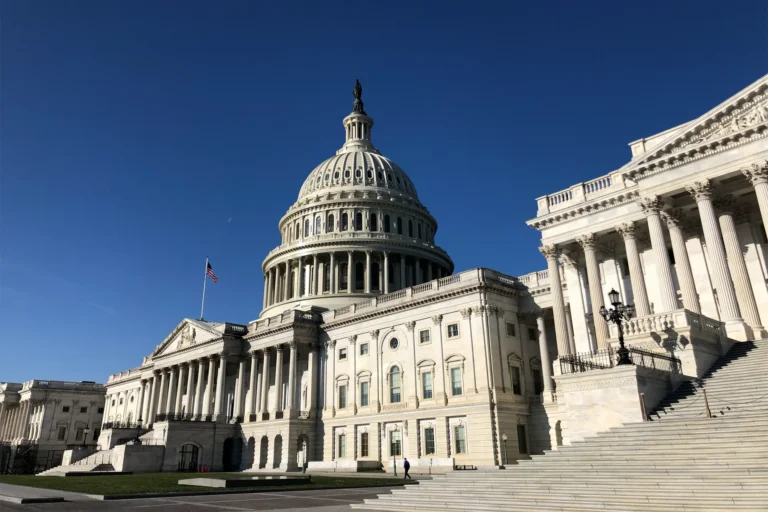
Capitol Hill
DC's largest historic district: Victorian brick rowhouses around Eastern Market and Lincoln Park, with Barracks Row dining, three Metro stations, and the Capitol and Library of Congress a short walk away.
 DC
Cathedral Heights
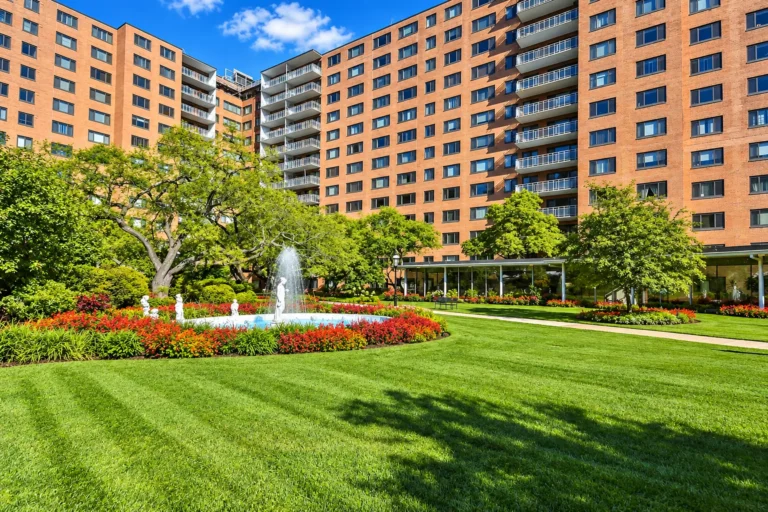
A quiet, green Upper Northwest neighborhood beside Washington National Cathedral — landmark co-ops and condominiums along Cathedral Avenue, 1920s–30s houses on the side streets, and Cathedral Commons for daily errands.
 DC
Chevy Chase DC
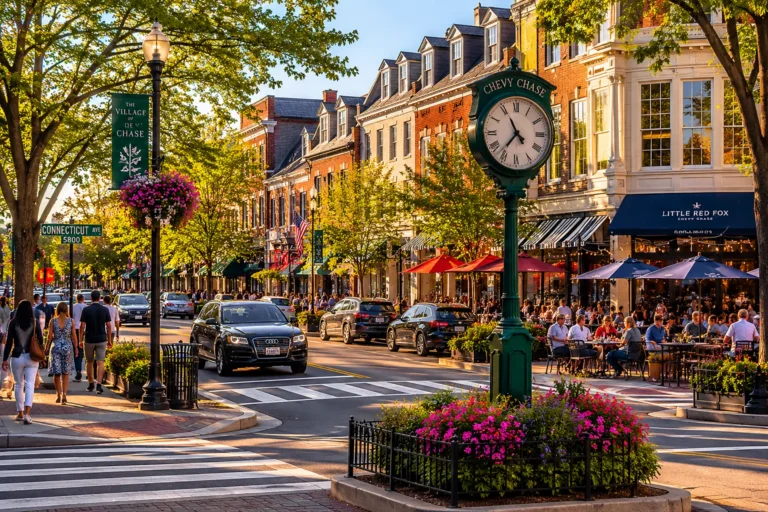
Tree-lined streets of 1920s–30s detached houses between Rock Creek Park and Reno Road, with a Connecticut Avenue main street, the historic Avalon Theatre, and Red Line stations nearby.
 DC
Chinatown
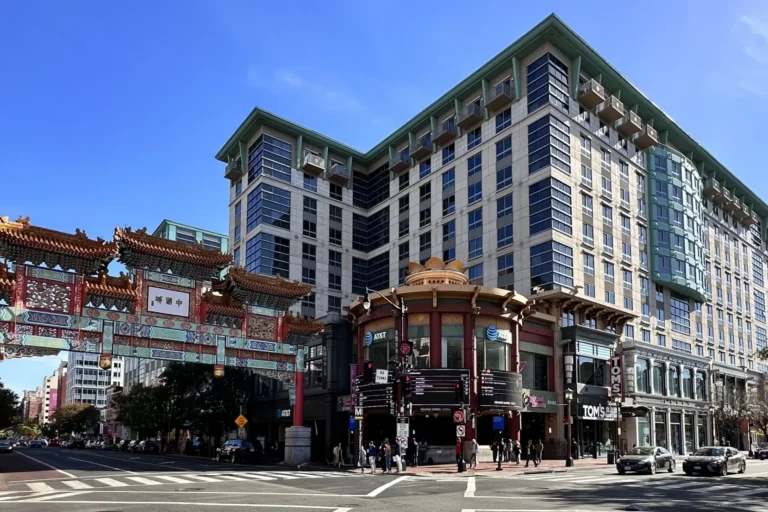
Full-service downtown condominiums around the Friendship Archway and Capital One Arena, with Gallery Place-Chinatown Metro, museums, theaters, and Penn Quarter dining steps away.
 DC
Cleveland Park
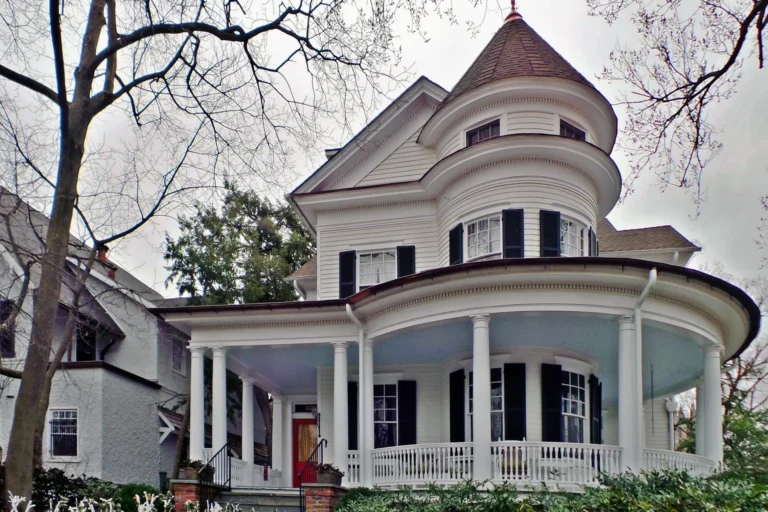
A historic district of 1890s–1920s houses on wooded streets and landmark apartment buildings along Connecticut Avenue, with the Uptown Theater, Red Line Metro, and the National Zoo nearby.
 DC
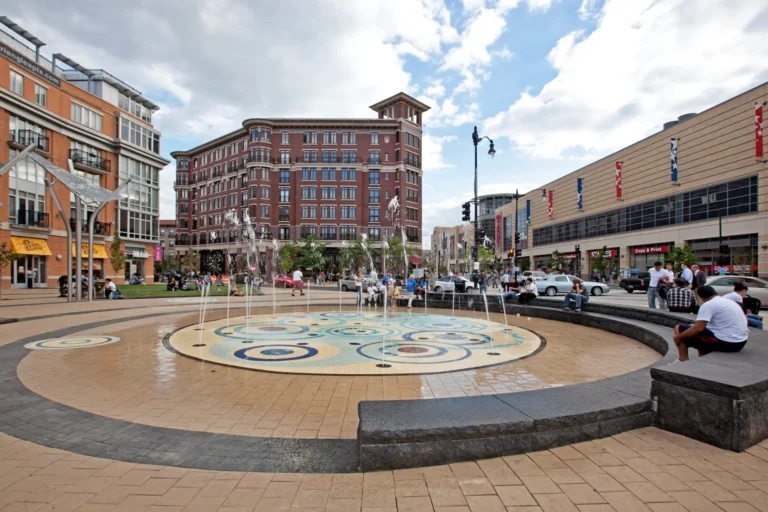
Columbia Heights
A rowhouse neighborhood built around a Metro stop — early-1900s brick rowhouses and newer condos between 16th Street and Sherman Avenue, with 14th Street's shops, DC USA, and Meridian Hill Park close by.
 DC
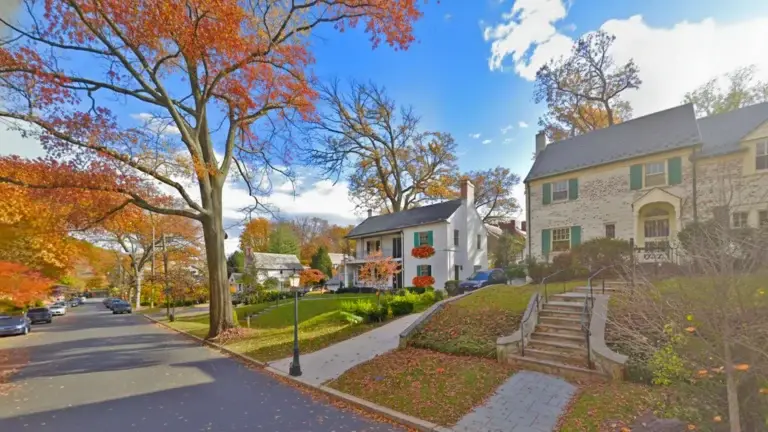
Crestwood
A quiet Northwest DC neighborhood of 1920s–40s detached houses on tree-lined streets, bordered by Rock Creek Park on three sides and 16th Street on the east, with the park's trails close by.
 DC
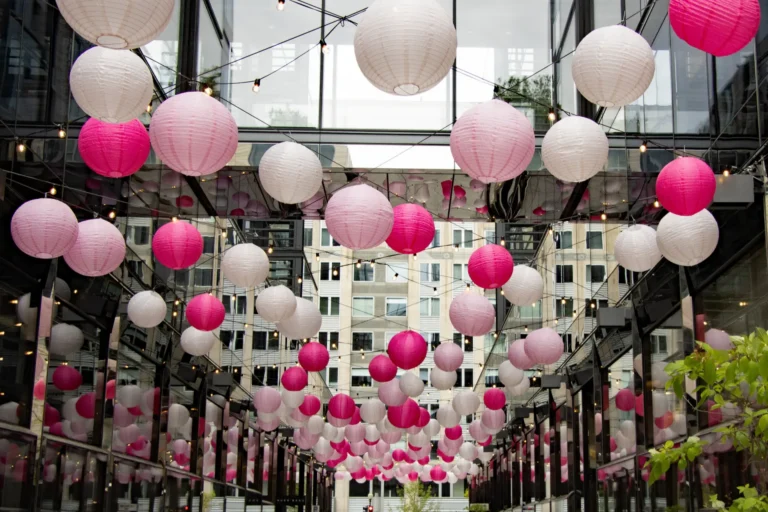
Downtown DC
Full-service condominiums around CityCenterDC, Franklin Square, and the K Street corridor, with Metro Center at the center and Penn Quarter, Chinatown, and the White House a short walk away.
 DC
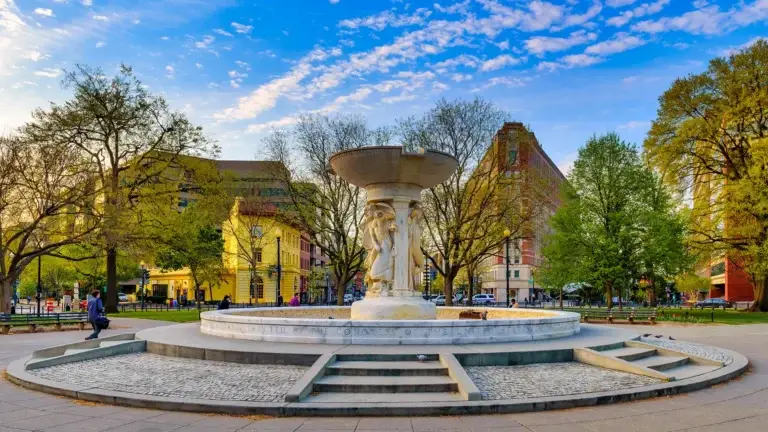
Dupont Circle
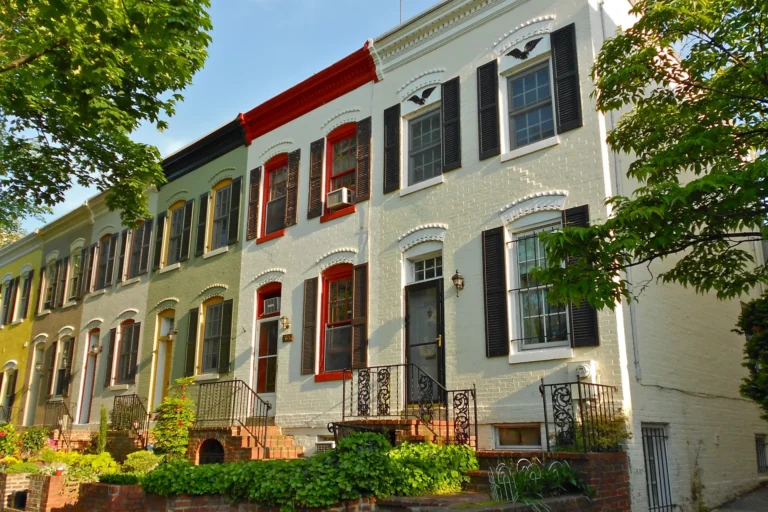
Grand Victorian and Edwardian rowhouses and historic condo buildings around the circle, with 17th Street, Connecticut Avenue, and P Street dining, galleries, and Red Line Metro.
 DC
Foggy Bottom
Co-ops and condominiums from the Watergate to Virginia Avenue, plus a historic district of 19th-century rowhouses, between the White House and the Potomac, with Foggy Bottom–GWU Metro and the Kennedy Center.
 DC
Friendship Heights DC
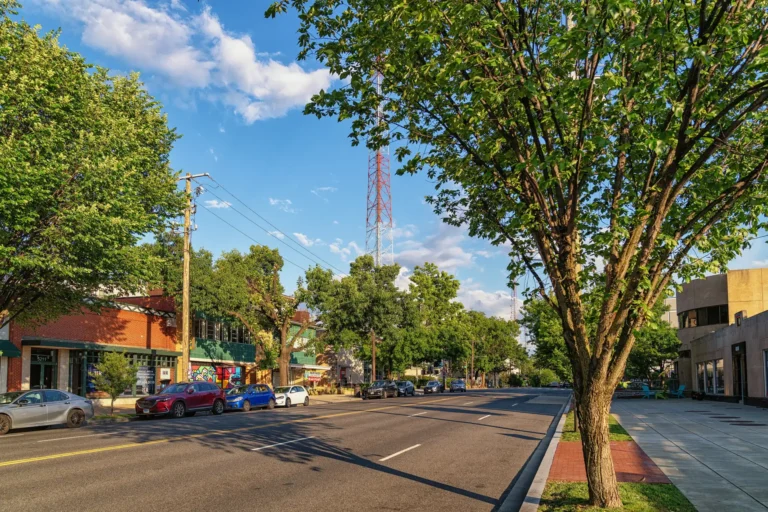
Brick semi-detached and detached homes from the 1920s–30s on the DC side of Friendship Heights, around Wisconsin Avenue and Western Avenue, with Friendship Heights Metro and Tenleytown's shops close by.
 DC
Georgetown
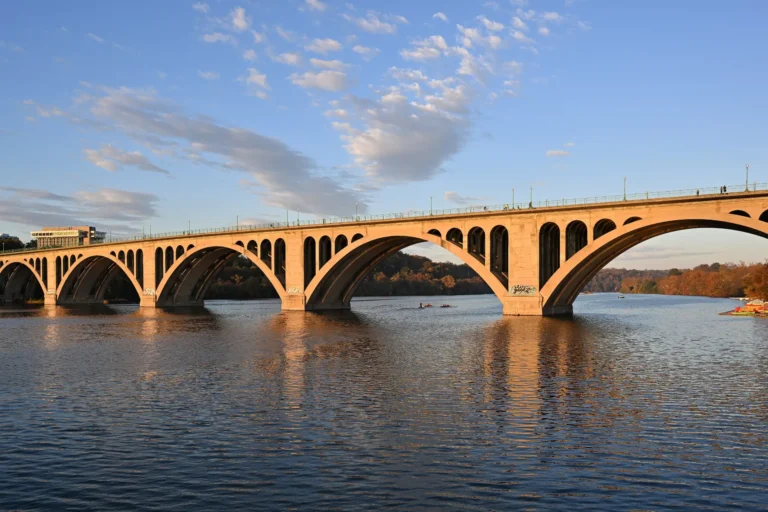
Georgetown pairs Washington's oldest residential streets and Federal-era architecture with M Street retail, the Potomac waterfront, and university life — an enclave where 18th-century character meets modern urban living.
 DC
Hill East
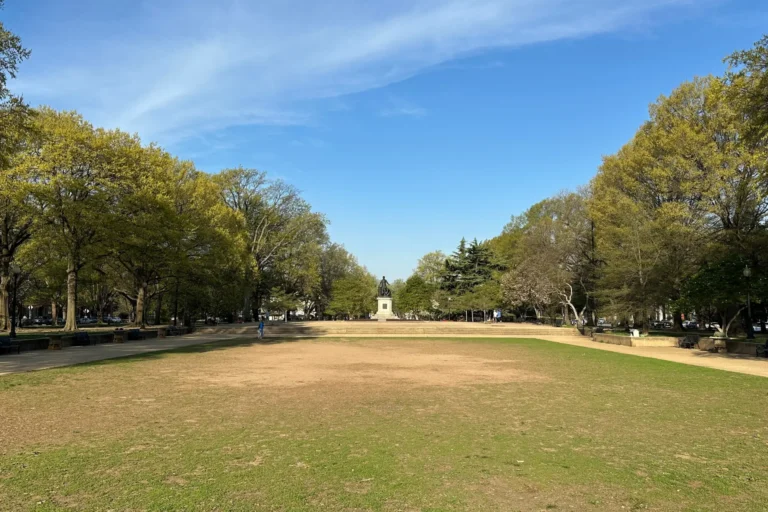
Porch-front brick rowhouses from the 1900s–1920s on the east end of Capitol Hill, between 15th Street and the Anacostia River, with Stadium-Armory Metro, Congressional Cemetery, and the riverfront trails.
 DC
H Street Corridor
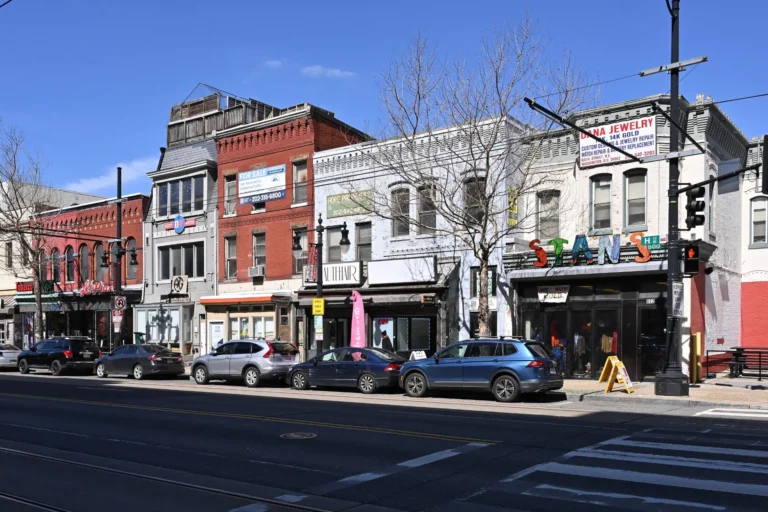
Early-1900s rowhouses and newer condos along H Street NE, from Union Station east to the Starburst, with a restaurant and nightlife strip, the Atlas Performing Arts Center, and Capitol Hill a few blocks south.
 DC
Kalorama
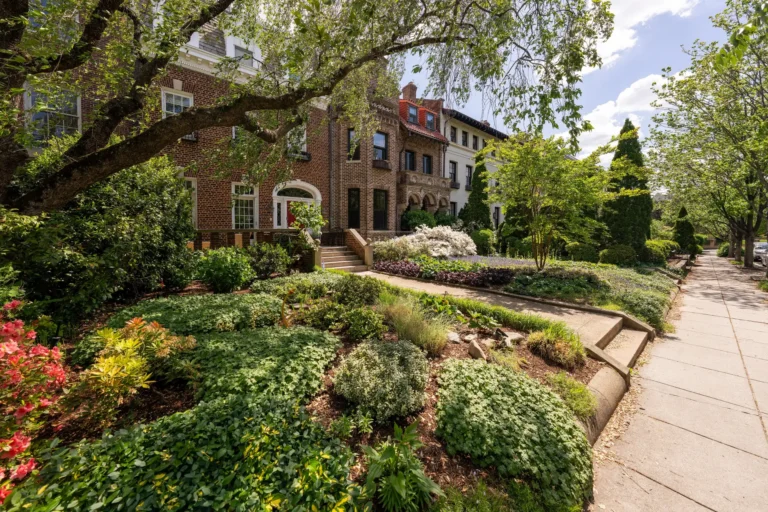
Grand early-1900s townhouses, mansions, and prewar apartment buildings on quiet streets between Dupont Circle and Rock Creek Park, lined with embassies along Massachusetts Avenue.
 DC
Logan Circle
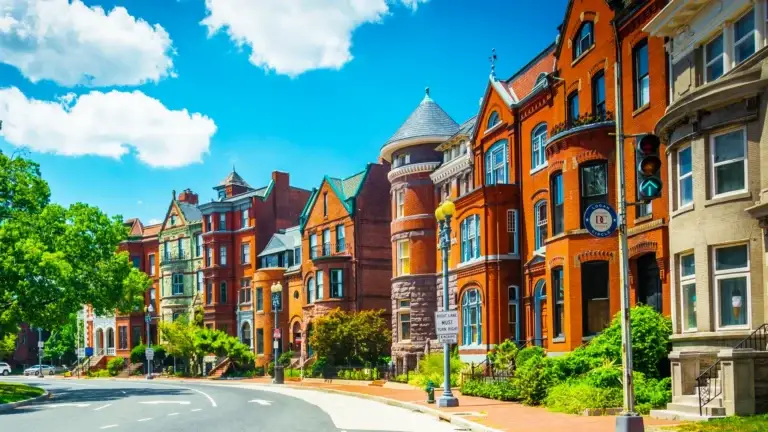
Late-1800s Victorian rowhouses around the circle and condominium buildings along 14th Street, with restaurants, theaters, and three Metro stations within walking distance.
 DC
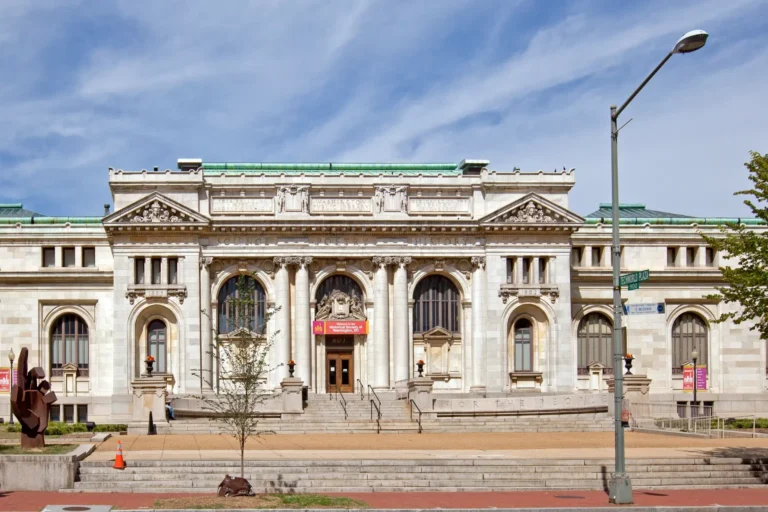
Mount Pleasant
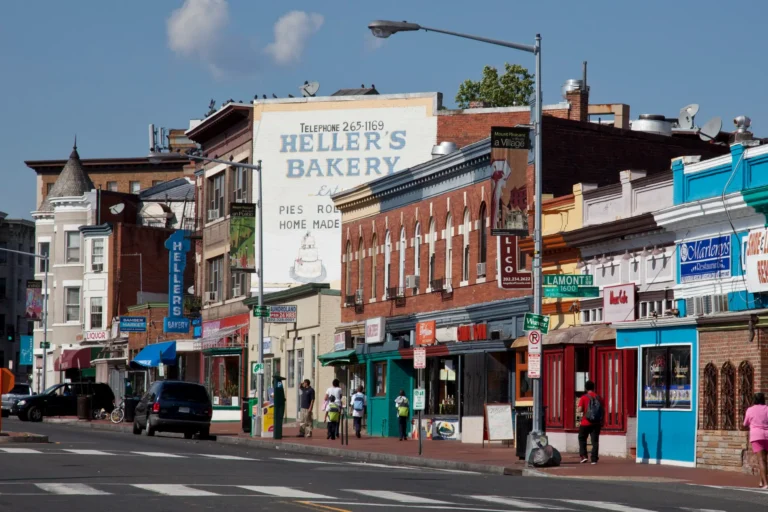
A historic district of early-1900s rowhouses and apartment buildings between 16th Street and Rock Creek Park, with Mount Pleasant Street's shops, the National Zoo, and Columbia Heights Metro nearby.
 DC
Mount Vernon Triangle
A downtown neighborhood of modern condominiums and loft conversions between Mount Vernon Square and North Capitol Street, close to Penn Quarter, the convention center, and multiple Metro stations.
 DC
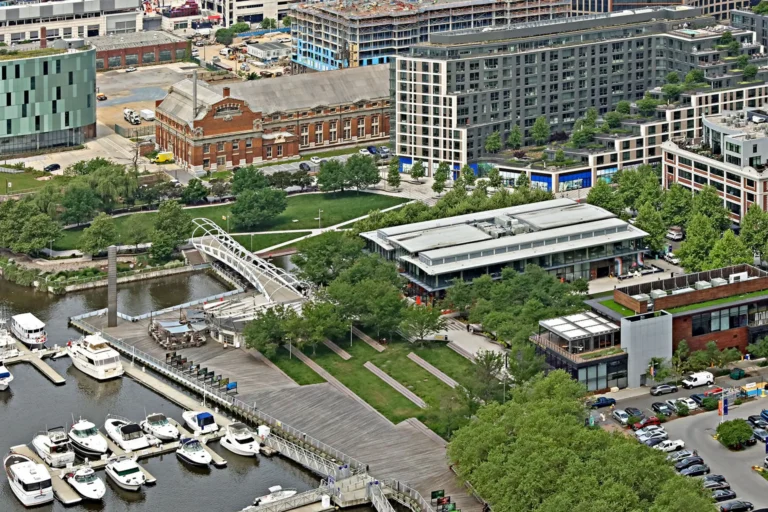
Navy Yard
A riverfront neighborhood of new condominiums and townhouses along the Anacostia, home to Nationals Park, the Yards Park, and Navy Yard–Ballpark Metro, a few blocks south of Capitol Hill.
 DC
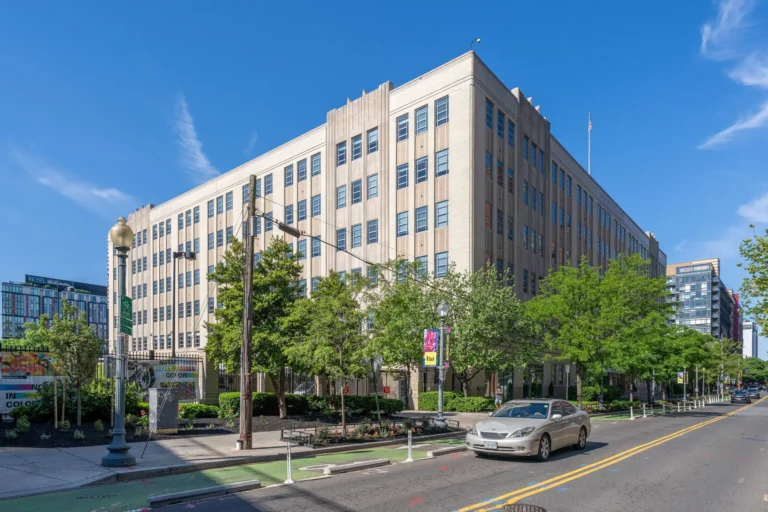
NoMa
DC's newest high-rise district north of Union Station, with NoMa-Gallaudet Metro, the Metropolitan Branch Trail, and Union Market nearby, plus historic rowhouse blocks just east of the rail tracks.
 DC
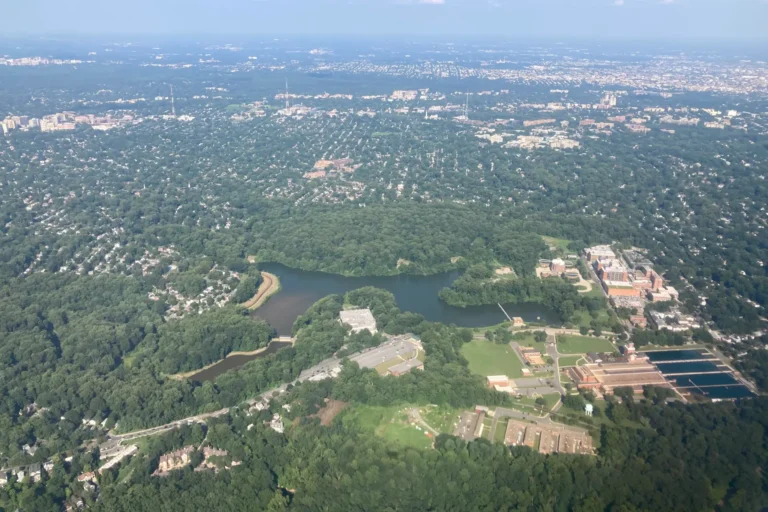
Palisades
A long, green neighborhood along MacArthur Boulevard above the Potomac, from Foxhall Road to the Maryland line, with detached houses and townhouses, the C&O Canal, the Capital Crescent Trail, and Battery Kemble Park.
 DC
Penn Quarter
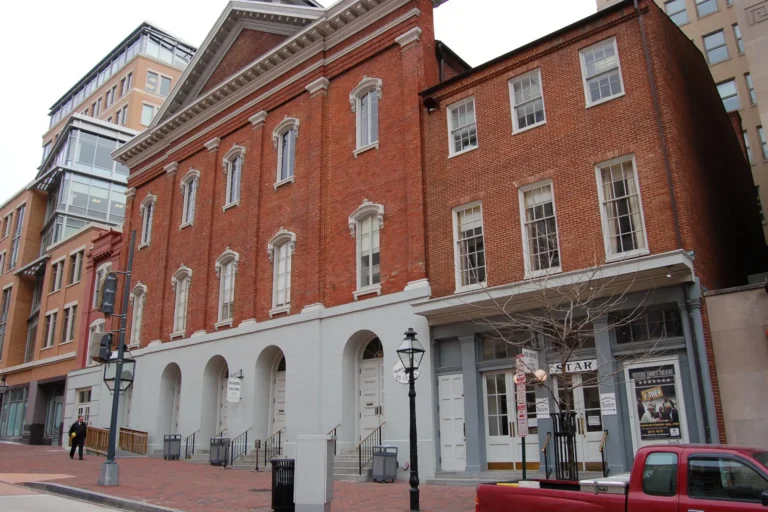
Condominiums along Pennsylvania Avenue between the National Mall and Chinatown, with the Navy Memorial, museums, theaters, and two Metro stations within a few blocks.
 DC
Shaw
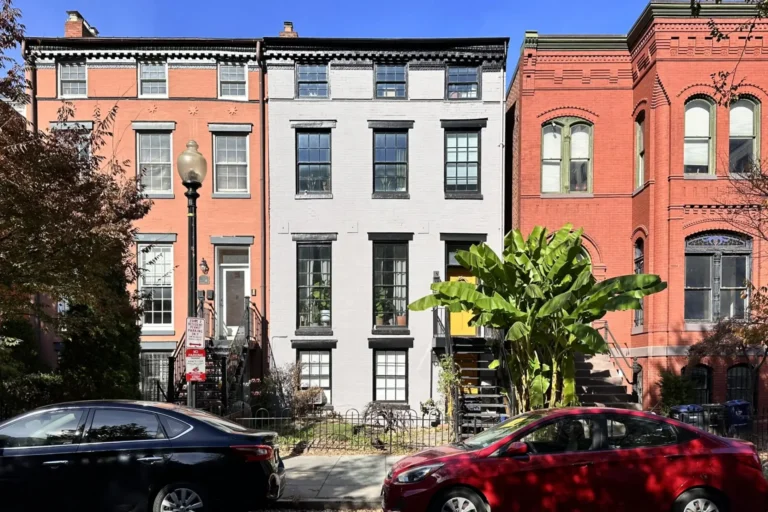
Victorian rowhouses and newer condos between downtown and U Street, with 7th and 9th Street restaurants, the O Street Market, and Shaw–Howard University and Mount Vernon Square Metro stations.
 DC
Southwest Waterfront
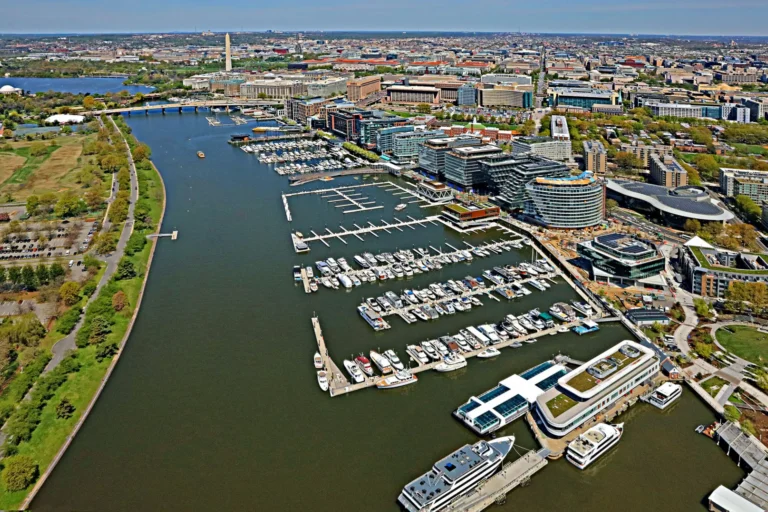
A riverfront neighborhood of 1960s modernist co-ops, condos, and townhouses beside The Wharf, with Waterfront Metro, Arena Stage, the Maine Avenue Fish Market, and the Washington Channel.
 DC
Spring Valley
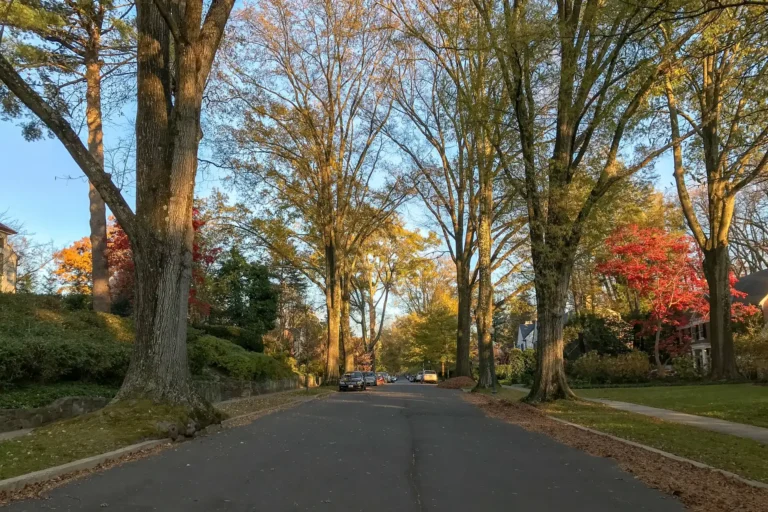
Winding, wooded streets of large detached houses from the 1930s onward, between Massachusetts Avenue and Loughboro Road in far Northwest DC, beside American University and near the Maryland line.
 DC
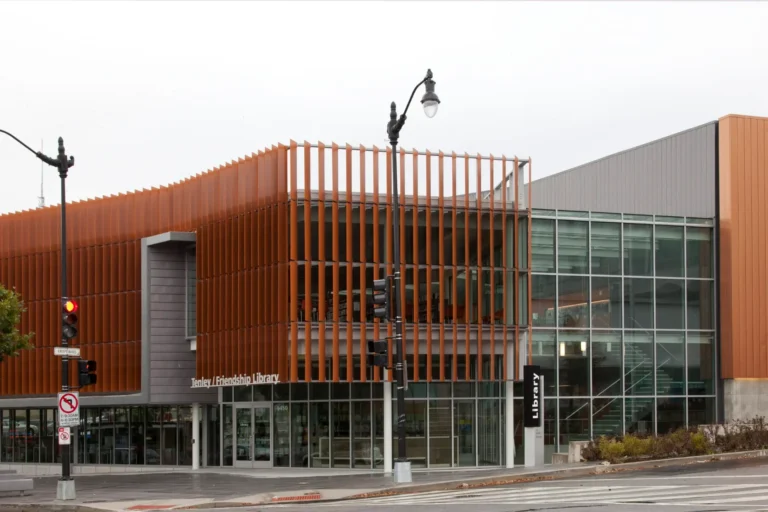
Tenleytown
Upper Northwest's Wisconsin Avenue crossroads at Tenleytown-AU Metro, with detached houses from the 1920s–30s on the side streets, condominiums at Cityline, and Fort Reno Park, the city's highest point.
 DC
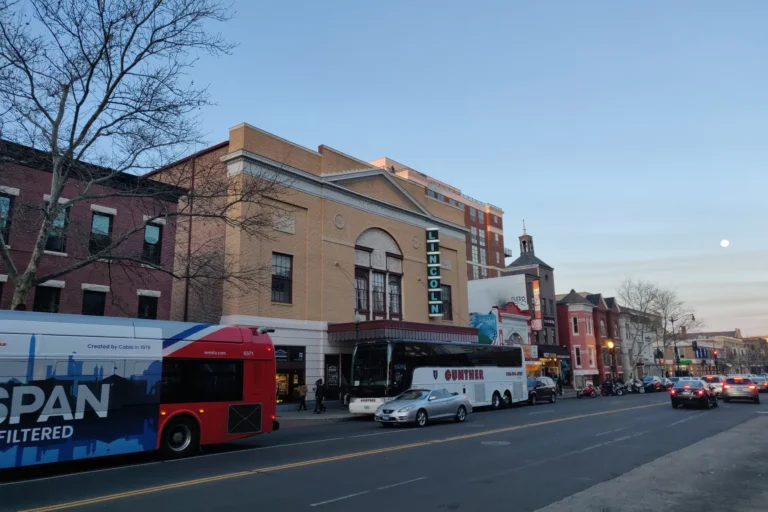
U Street Corridor
Victorian rowhouses and 2000s-era condos around U Street and 14th Street NW, with U Street Metro, the historic Lincoln and Howard Theatres, live music venues, and one of DC's busiest restaurant corridors.
 DC
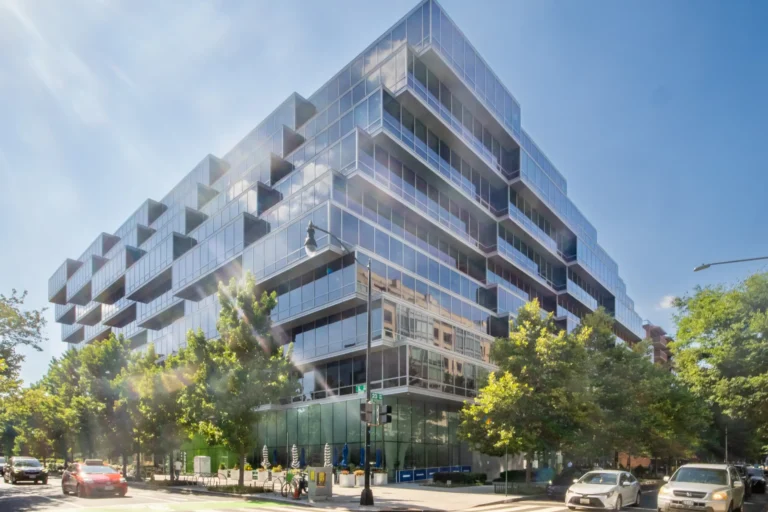
West End
A compact district of full-service condominiums, hotels, and restaurants between Georgetown and Dupont Circle, with Rock Creek Park on one side and two Metro stations within walking distance.
 DC
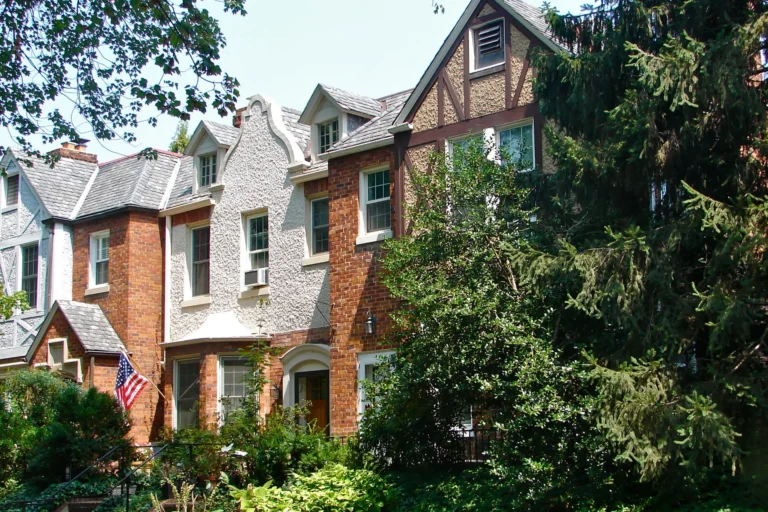
Woodley Park
Early-1900s rowhouses, large detached homes, and landmark apartment buildings beside the National Zoo and Rock Creek Park, with Red Line Metro on Connecticut Avenue.
No neighborhoods match “”. Try a nearby neighborhood, a street or a ZIP code.
Ask us about an area →